


The Modular Advantage: How to Expand Your Resort Without Disrupting It
Prefab resort units let you add rooms, revenue, and asset value — while guests are still checking in.
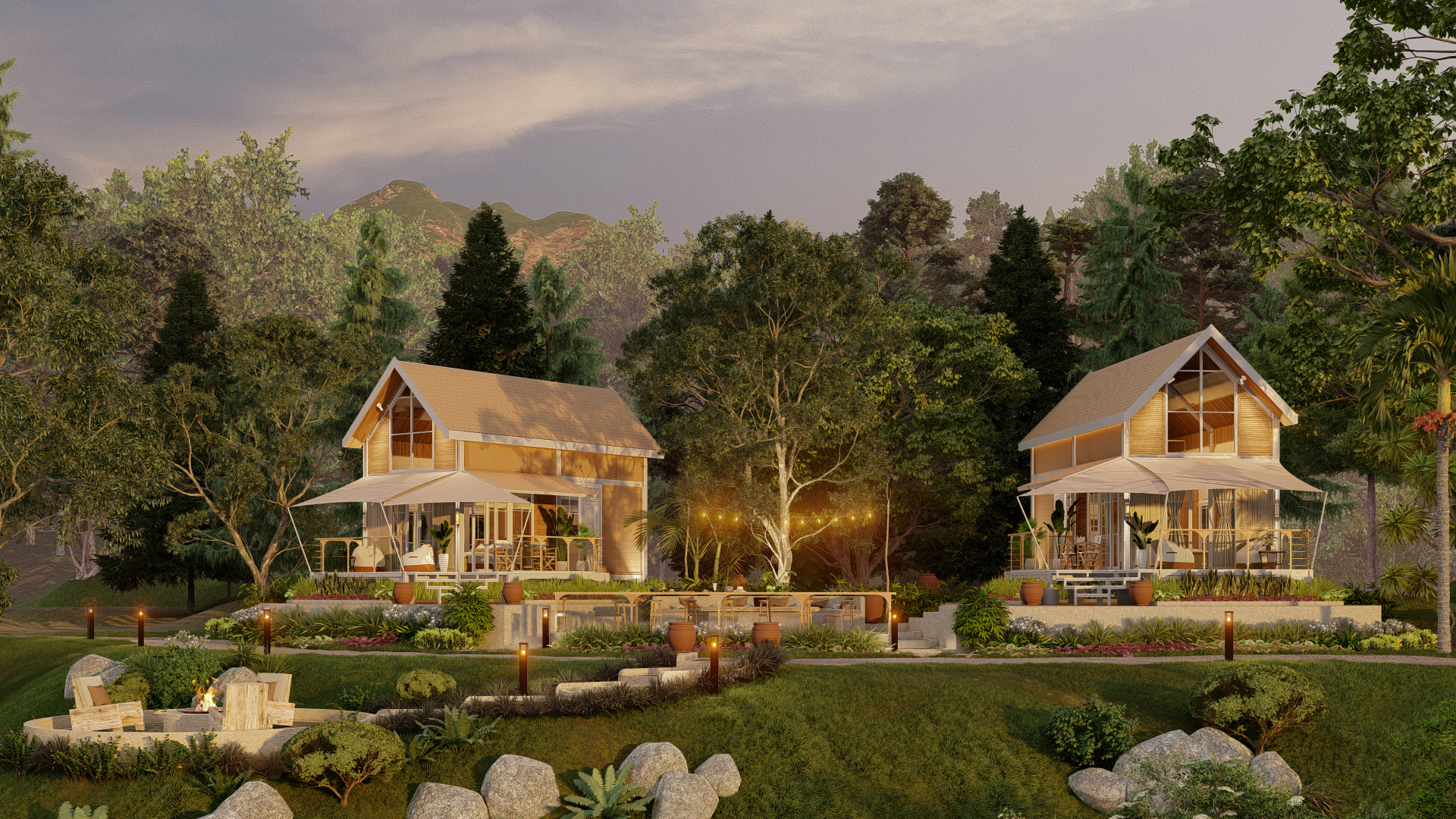
Prefab resort units let you add rooms, revenue, and asset value — while guests are still checking in.
You already have a functioning resort. Occupancy is climbing, reviews are trending positive, and there are vacant plots at the back of the property you have been eyeing for new units. The question is not whether to expand — it is how to do it without dismantling the experience your guests already love.
Most resort owners default to conventional construction. That means months of concrete pouring, grinding, and material trucks moving through leisure areas — the kind of disruption that surfaces quickly in guest reviews and chip away at repeat bookings. Modular resort construction offers a fundamentally different path.
Structures from La Casa Modular and Escape Nomade are prefabricated off-site and assembled on location. The construction window shrinks from months to weeks, noisier tasks can be scheduled around check-in patterns, and your property keeps operating — almost normally — throughout the entire build.
Why Conventional Construction Is a Risk on an Active Property
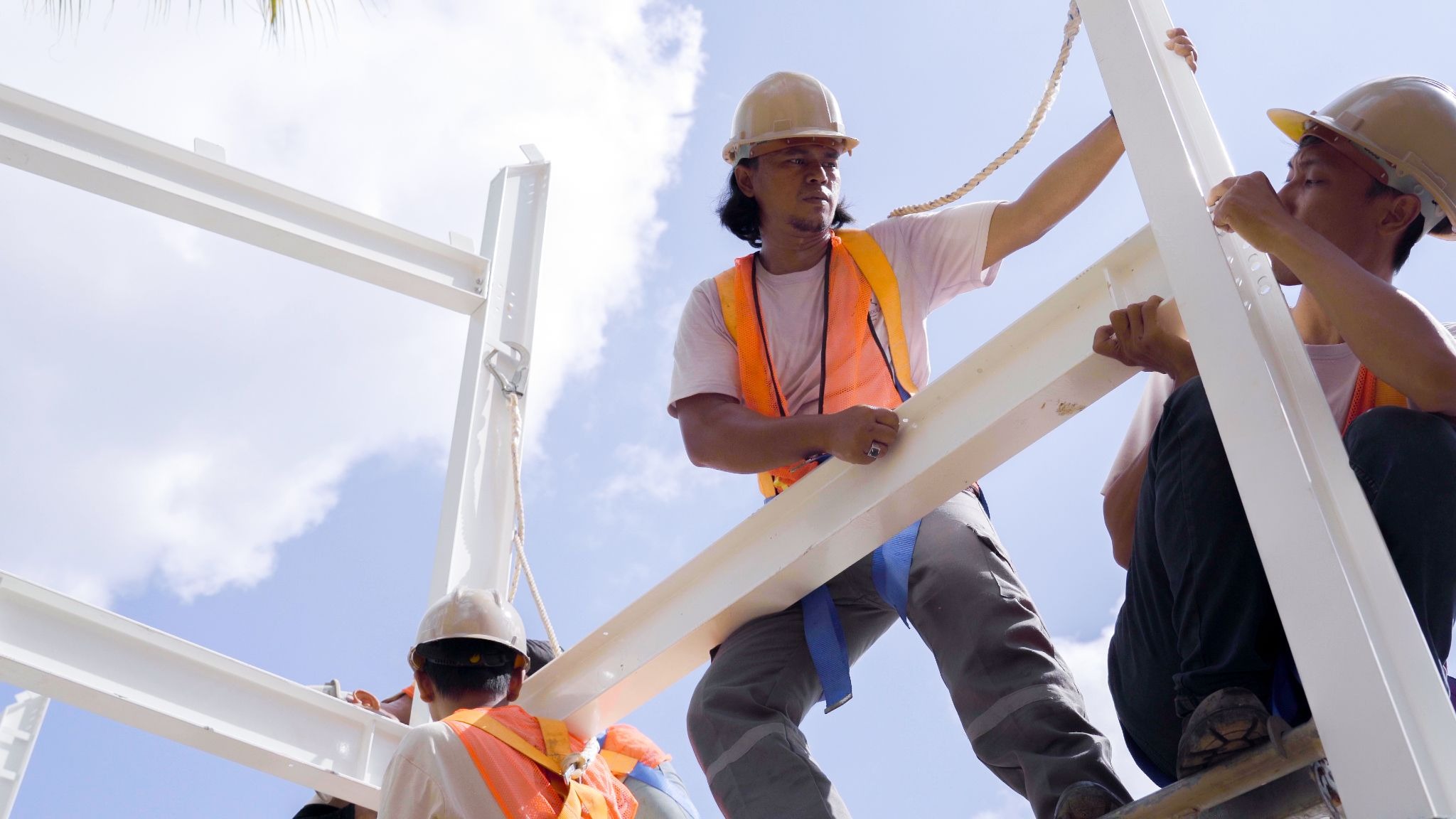
Building new units with conventional methods — concrete pouring, bricklaying, plastering — typically means:
- Drilling and grinding noise during operating hours
- Material trucks moving through guest areas
- Dust that can travel into existing rooms
- A visually disruptive site in the middle of your leisure area
None of this is hypothetical — it’s the kind of feedback that regularly surfaces in resort reviews. The good news is that it isn’t the only way to expand.
What Sets Prefab & Modular Systems Apart
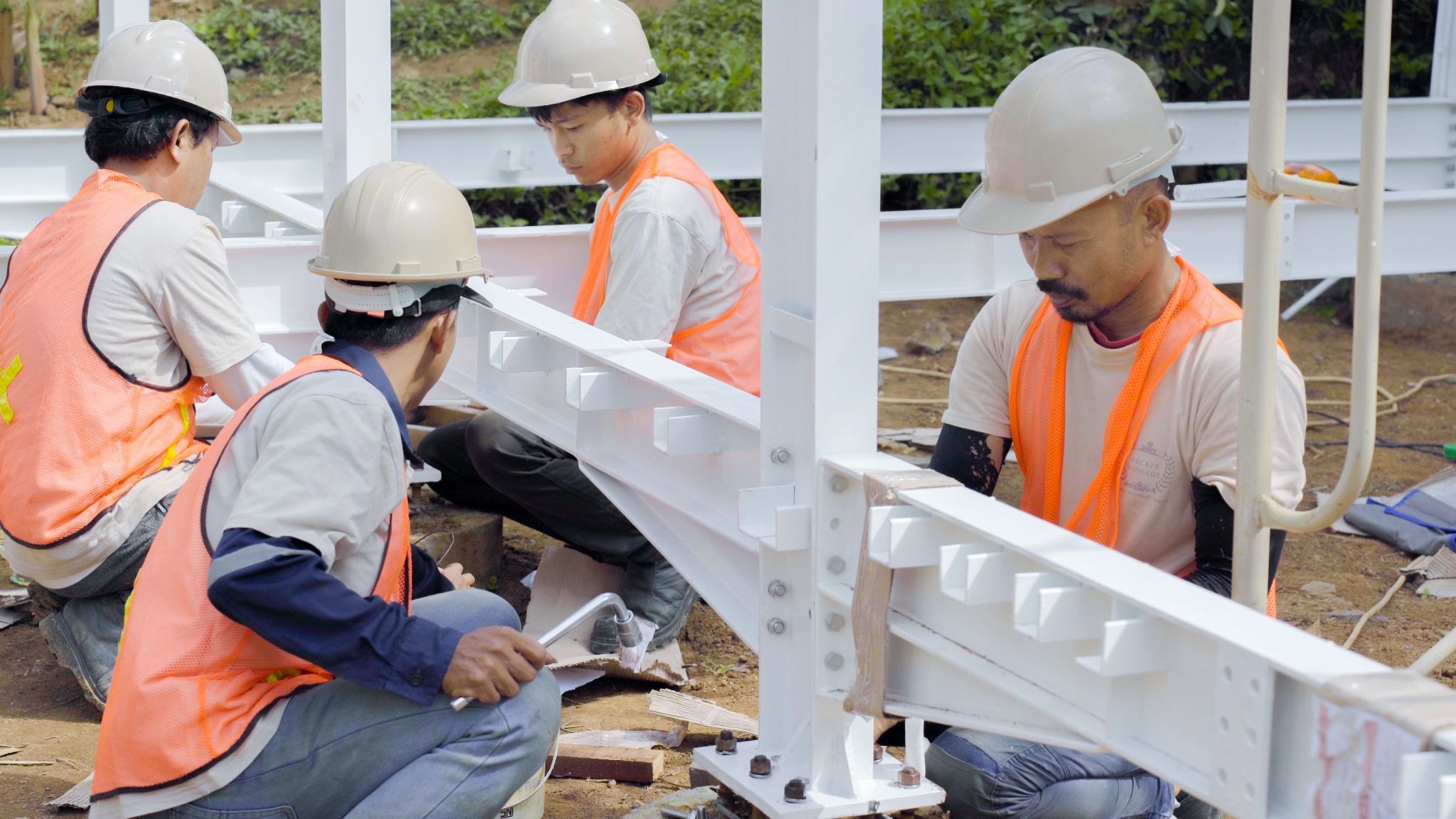
Because La Casa Modular and Escape Nomade units arrive largely pre-finished, the on-site process looks very different from a traditional build:
Noise is limited — and schedulable. There’s no on-site concrete pouring or extended grinding. Installation mostly involves assembling pre-made components — galvanized steel structures, teak polymer composite wall panels, and interlocking flooring. The handful of noisier installation days can be scheduled around check-in patterns rather than guest-occupied hours.
Site time is much shorter. A unit like La Casita (45+ sqm) can typically be installed on-site within a matter of weeks, not months. Even the larger La Finca (75+ sqm) carries a noticeably tighter construction timeline than an equivalent permanent structure, which keeps the disruption window to your operation short.
Minimal wet work. Conventional construction relies heavily on wet trades — mortar, spray paint, waterproofing coatings — which are hard to contain on an active property. Modular components arrive pre-finished, and even the foundation system is lighter: concrete point foundations (isolated footings rather than a full slab) are faster to install and less invasive.
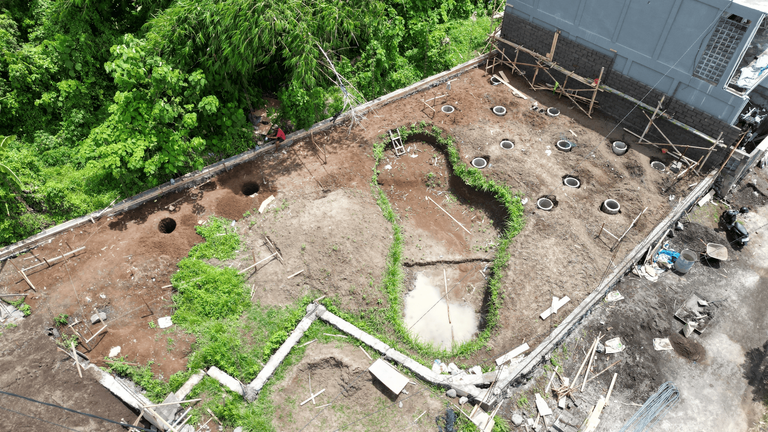
Smaller foundation footprint. Both La Casa Modular and Escape Nomade use a point-foundation system instead of a full slab — meaning less excavation, less disturbance to surrounding soil, and a reduced risk of settlement-related cracking in nearby older structures.
Your Resort’s Character Doesn’t Have to Be Compromised
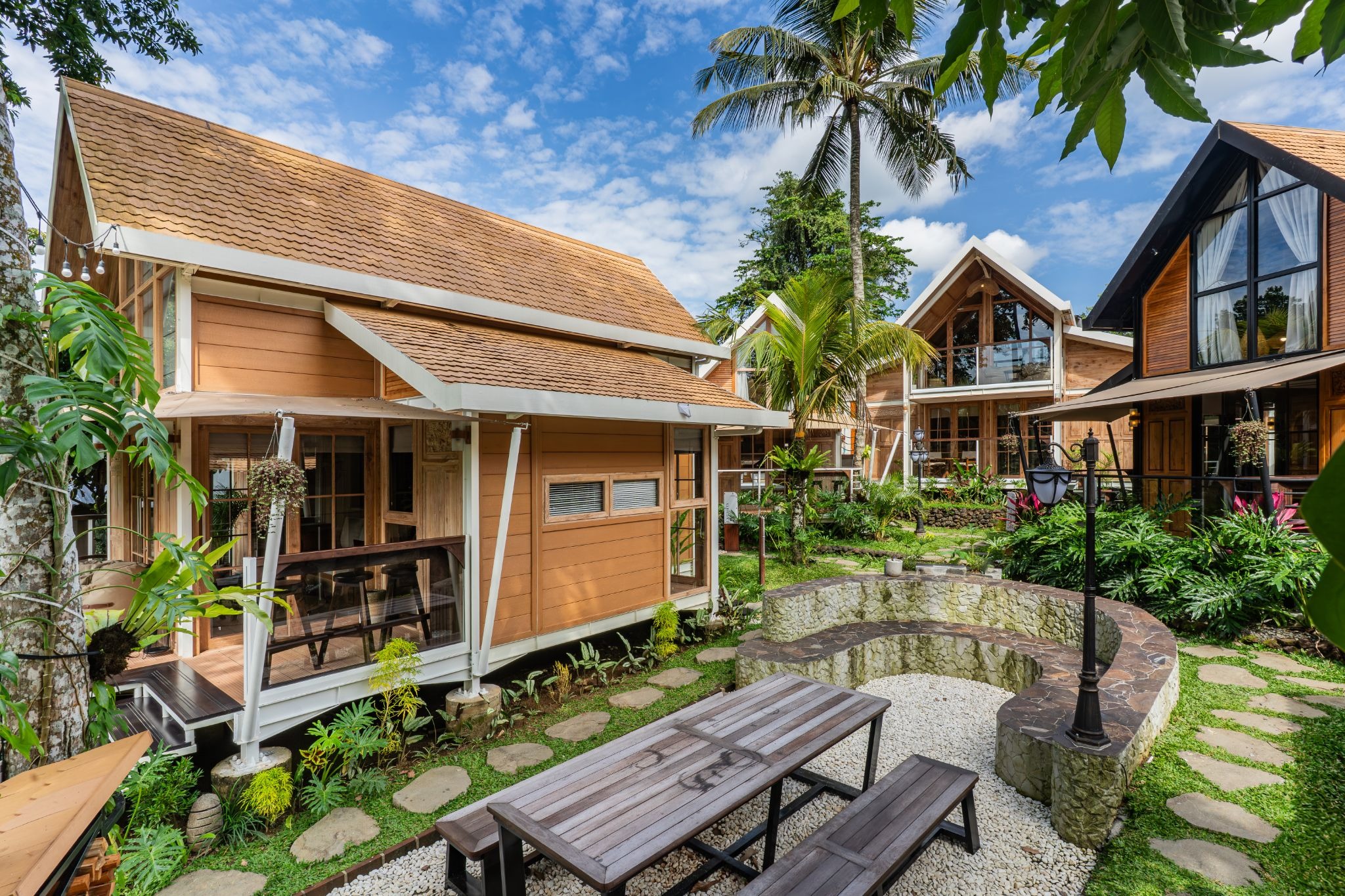
A common concern among resort owners is whether new units will look like bolted-on afterthoughts. It’s a fair concern — and one of the more underrated strengths of a system like La Casa Modular.
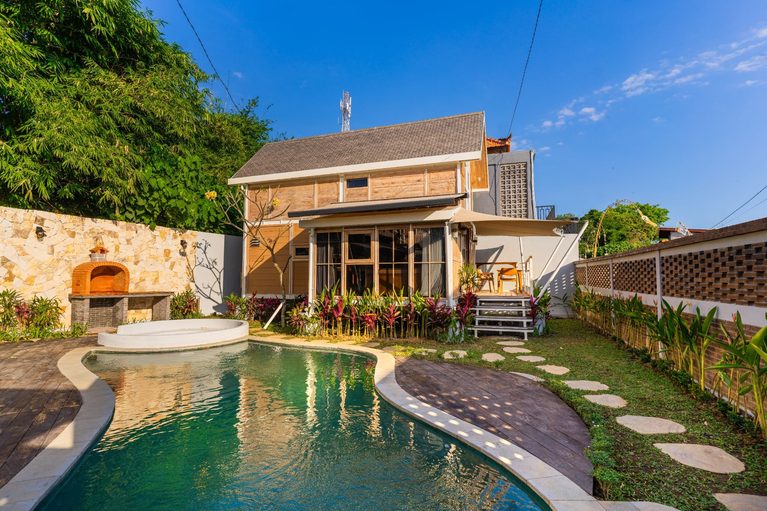
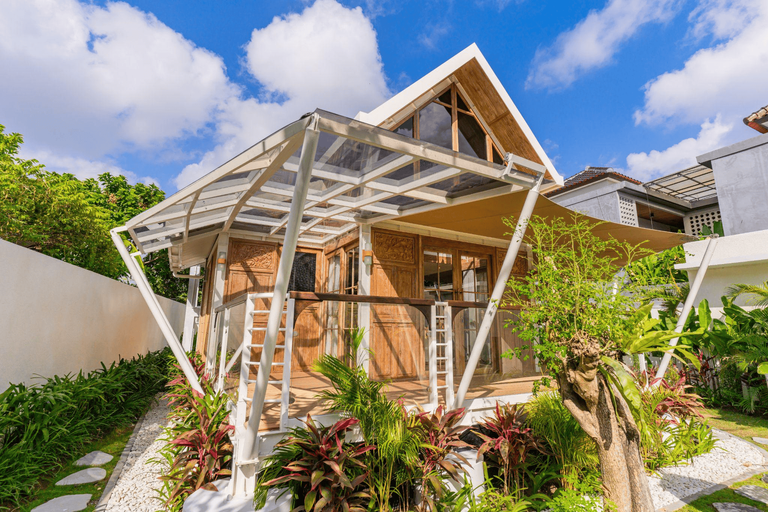
La Finca Black, for instance, is designed in a visual language consistent with contemporary tropical resort architecture: an exposed or clad steel structure, solid teak or teak polymer composite wall panels, and tempered glass in warm teak frames. The result reads as intentional design, not a temporary add-on.
It’s also worth noting that Escape Nomade — the parent company behind La Casa Modular, operating since 2004 with a portfolio of over 350 projects across more than 55 countries — has worked with hospitality brands including Sofitel, Karma, and a number of boutique resort groups. This is a product built for the luxury hospitality segment, not adapted from a budget prefab line.
Two Options, One Strategic Decision
Route 1 — La Casa Modular: Multi-Story Permanent Units
For unit additions meant to become a long-term, permanent part of the property, La Casa Modular offers three sizes:
- La Casita (45+ sqm) — compact, accommodation-focused. Starts at USD 65,000 fully furnished.
- La Finca (75+ sqm) — medium-sized, two-story, available in Accommodation or Living configurations. Starts at USD 95,000–100,000 fully furnished
- La Residencia (115+ sqm) — a spacious premium modular unit designed for luxury villas, resort accommodations, and high-end residential living, offering generous indoor space and elevated guest comfort. Starts at USD 135,000 (1 Bedroom) – USD 140,000 (2 Bedroom) fully furnished.
Pricing excludes transportation, on-site installation, and applicable taxes. Final costs may vary based on site conditions and customization requirements.
Route 2 — Escape Nomade: Semi-Permanent Tented Villas
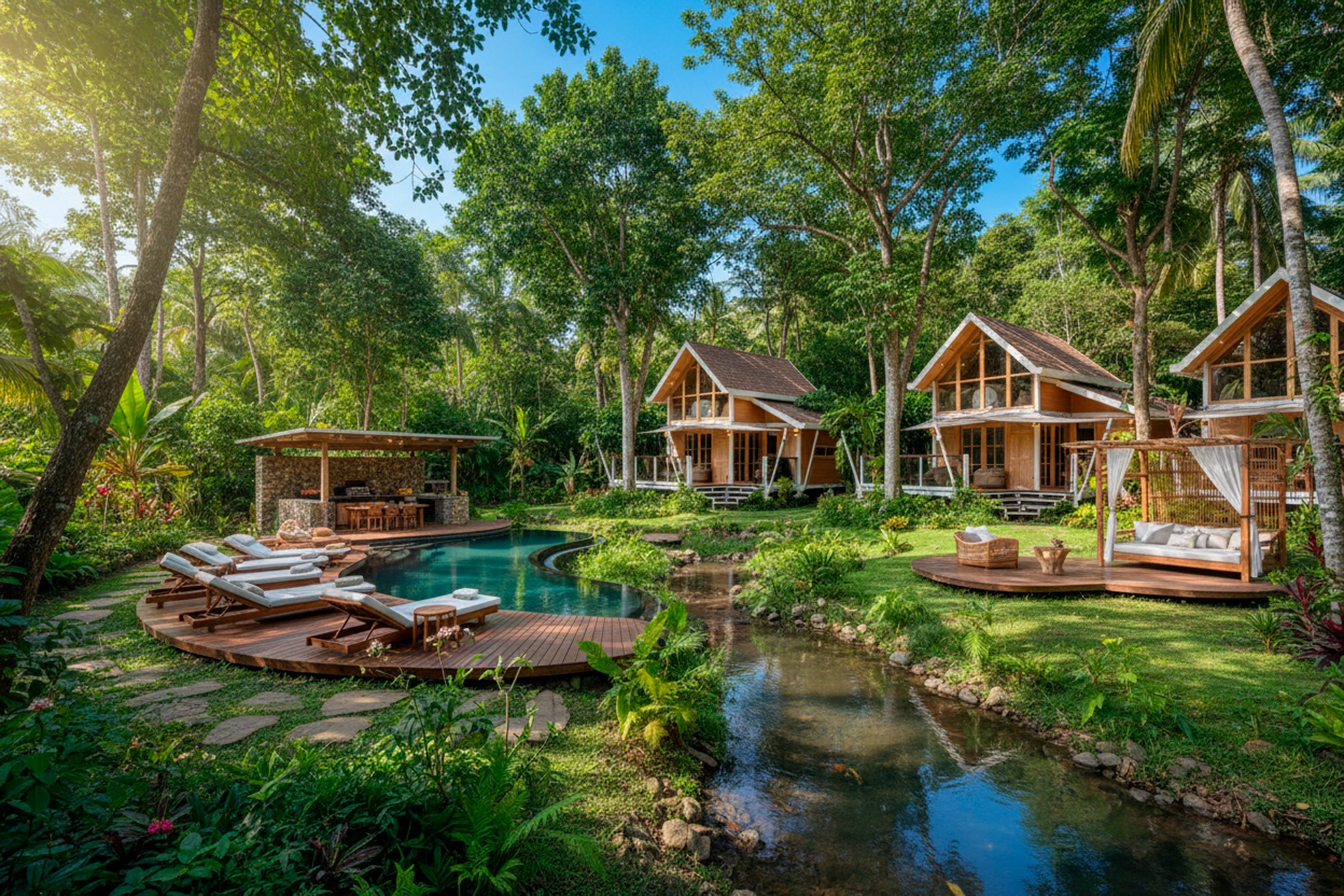
For properties that want to preserve a glamping or luxury tented atmosphere, or that need installation flexibility, Escape Nomade’s Structural Tented Villas are a strong alternative. These have been deployed from tropical beachfronts to mountain climates and adapt well to uneven terrain.
What Rarely Gets Discussed — But Should
Permitting pathways can differ by location. Depending on local regulations, certain modular or semi-permanent structures may follow a different permitting pathway than conventional buildings — in some regencies across Bali and other tourist destinations, this pathway can involve fewer documentation requirements. Regulations vary by area, so this should always be verified with a local permitting consultant before assuming a timeline.
Modular units carry their own asset value. Unlike a permanent building, whose value is tied to the land itself, fully furnished modular units such as La Finca and La Casita are typically classified as movable assets. This can have meaningful implications for asset recording, insurance coverage, and exit strategy if the resort is eventually sold or transferred.
Maintenance costs tend to be more predictable. The component-based design — teak polymer composite panels, interlocking flooring, galvanized steel structures — means individual elements can be replaced module by module, without the unpredictable wall cracks or hidden leaks common in conventional builds.
A Quick Return-on-Investment Illustration
Take La Casita at roughly USD 65,000 all-in, including furniture, sanitaryware, and core MEP installation. Place this unit in a resort operating at an ADR of USD 95–125 per night.
While the base modular package is estimated at approximately USD 60,000, the final project cost may vary depending on transportation, on-site installation, site preparation, utility connections, customization requirements, permitting, and applicable local taxes and regulations.
At 65% occupancy:
- Monthly revenue per unit: approximately USD 1,825–2,450
- Indicative payback period: roughly 4–6 years
Actual returns will vary depending on occupancy, ADR, operating expenses, and local market conditions — this example is illustrative only and should not be treated as a financial guarantee.
Compare this to conventional construction, which typically requires 12–18 months of build time, followed by additional months of operational disruption to surrounding units.
How to Get Started
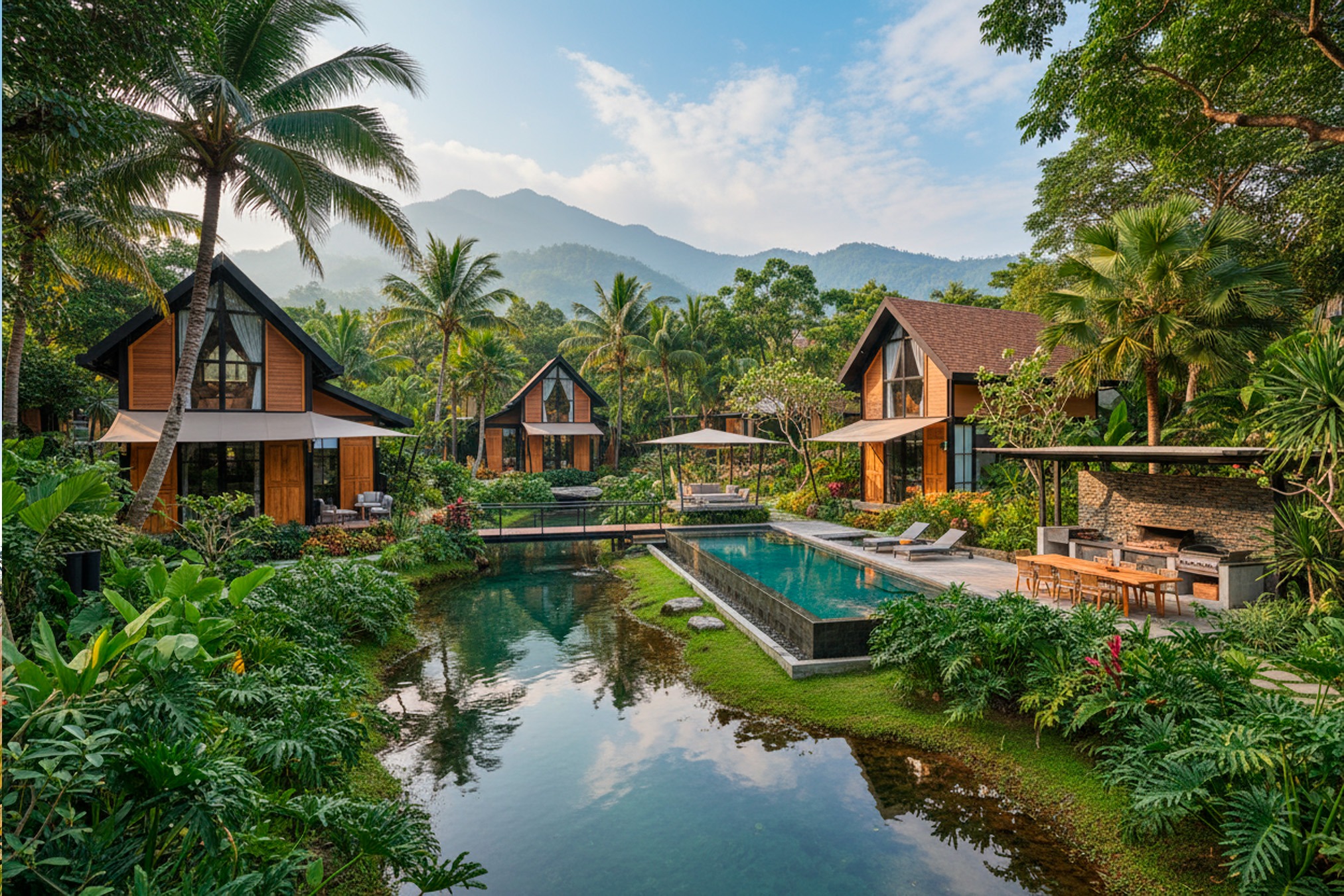
La Casa Modular follows a transparent, structured process:
- Free consultation — receive 3D renderings, a timeline, and a cost estimate.
- Customization — choose layout, exterior color, and interior configuration.
- Order — a 50% deposit starts the manufacturing process.
- Shipment and installation by their in-house team.
Whether you have a concept in mind or are starting from scratch, our team can create a custom modular home design and a realistic 3D rendering based on your preferences, site conditions, and project goals. From layout planning to final visualization, La Casa Modular helps turn your dream home into reality.
Related Articles