

Built for Every Generation: Why the Future of Family Villa Travel Is Modular
The fastest-growing segment in global hospitality isn't a new destination or a new demographic. It's the same family — just three generations of them, traveling together.
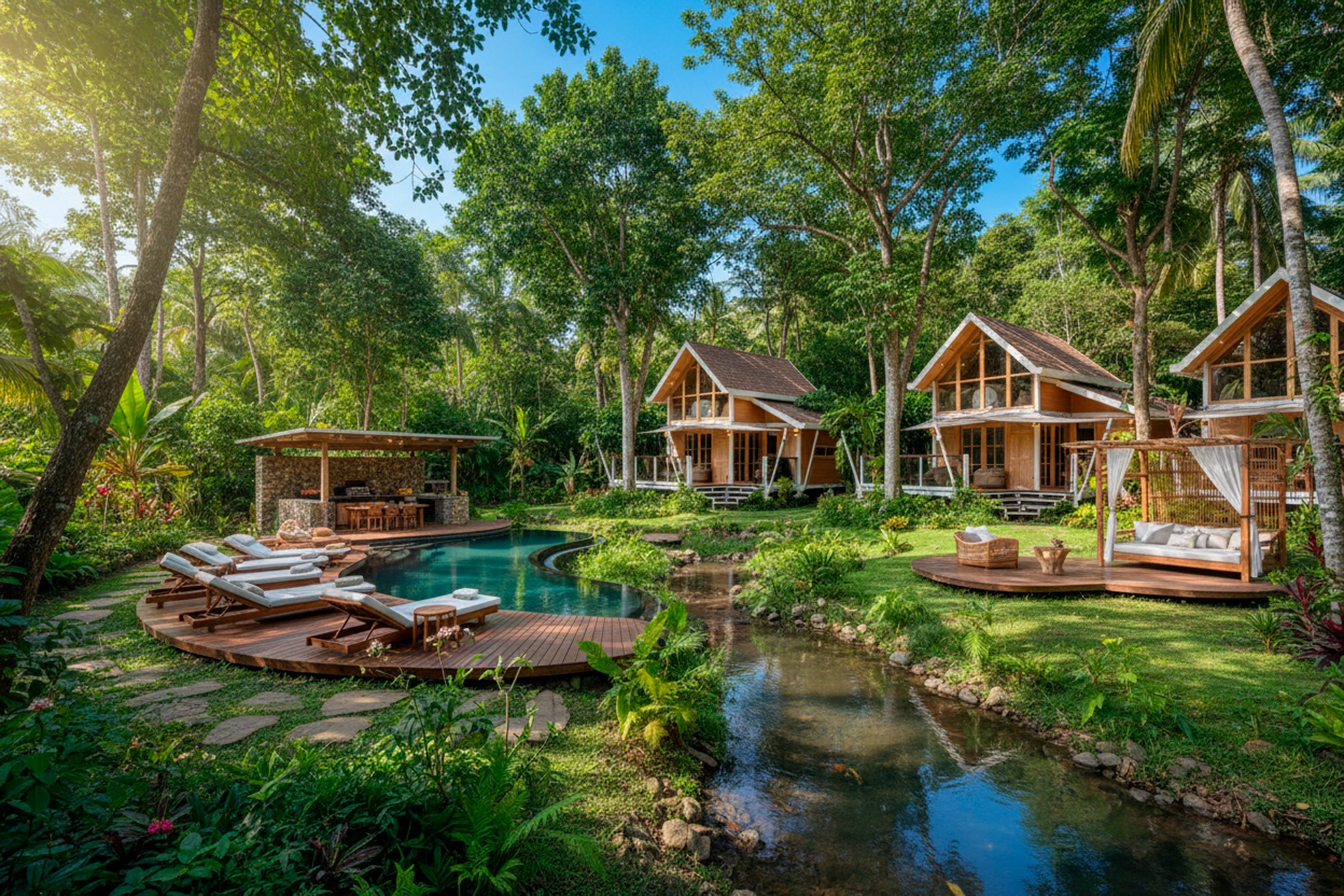
The fastest-growing segment in global hospitality isn’t a new destination or a new demographic. It’s the same family — just three generations of them, traveling together.
The Numbers Are Hard to Ignore
Multi-generational travel is no longer a niche. In 2025, 47% of travelers chose multigenerational or family trips — up 17% from 2024, and surpassing all other forms of group travel, including friend groups and solo journeys (Squaremouth, 2024). Globally, the multi-generational travel market was valued at $320 billion in 2024 and is forecast to reach $570 billion by 2033, growing at a compound annual rate of 6.7% (Market Intelo, 2025).
Behind those figures is a behavioral shift. Virtuoso reports that 33 to 40 percent of the entire leisure travel market now falls under multi-generational travel. And 89% of Millennial and Gen Z parents cite “quality time” as the primary reason they bring extended family along (Condor Ferries Family Travel Survey, 2025).
These are not casual weekend trips. These are the bookings that fill entire villas, extend into peak pricing windows, and repeat year after year.
What These Guests Actually Need
Picture three generations arriving at your villa. The grandparents want a quiet room on the ground floor and a shaded terrace. The parents want somewhere the children can move freely without damaging anything important. The children want a pool they can jump into. Everyone wants to eat dinner together — and disappear comfortably afterward.
This is not a single guest profile. It is four or five of them, simultaneously, with different physical needs, different rhythms, and different definitions of a good day.
The design challenge is not simply adding more bedrooms. A villa that hosts a six-year-old, two parents, and two grandparents needs to solve fundamentally different problems at once: safety and freedom for children, convenience and functionality for parents, and comfort and accessibility for older guests. Getting all three right — at the same time, in the same structure — is where conventional hospitality design often falls short.
Why Modular Construction Is the Right Solution — Not Just a Design Choice
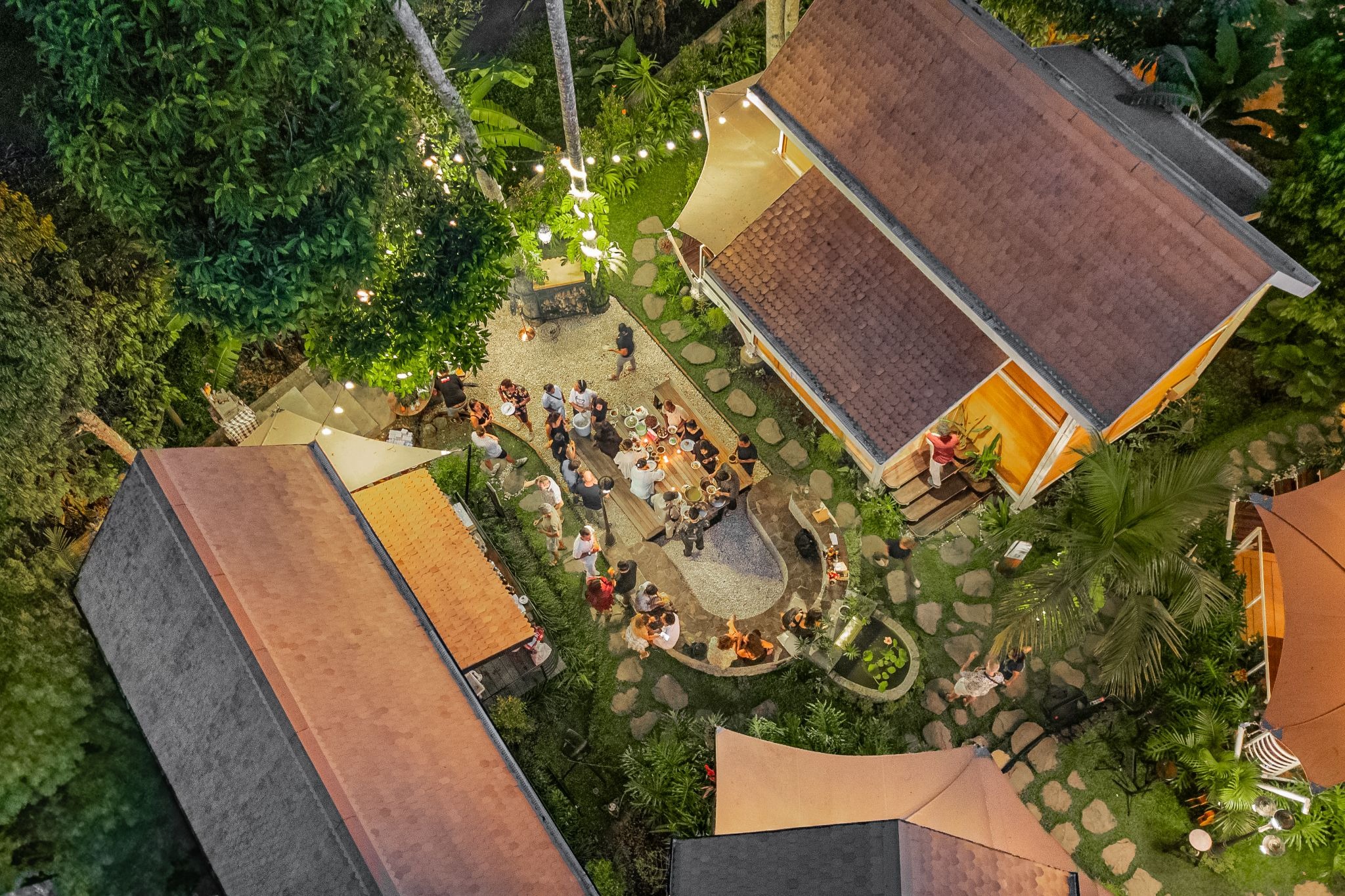
Here is where many developers miss the point: modular villa design is not primarily an aesthetic decision. It is a strategic and commercial one.
Speed to Revenue
Traditional villa or resort construction typically takes 12 to 18 months from groundbreaking to opening. Modular construction compresses that timeline by 30 to 50%, with site preparation and module manufacturing happening simultaneously (Modular Building Institute; McKinsey Global Institute). A villa that opens six months earlier starts generating revenue while a conventional competitor is still finishing interiors. In hospitality, that window is everything.
Predictable Costs
Off-site manufacturing in a controlled factory environment means fewer weather delays, fewer on-site surprises, and more consistent quality control. Developers typically see up to 20% savings on labor and materials compared to traditional builds (McKinsey Global Institute). In markets where construction costs are high and skilled labor is scarce — Bali and Southeast Asia included — this advantage compounds.
Adaptability Over Time
A family that books a villa with young children today may return in five years with teenagers, or with an additional generation. Modular architecture allows the villa to expand or reconfigure without structural work. Add a module. Reconfigure a ground-floor suite. Convert a flex room. Conventional construction cannot offer this without significant cost and disruption.
Sustainability
Factory-controlled production generates significantly less on-site waste than traditional construction. For developers targeting eco-conscious travelers — a rapidly growing segment — modular credentials are a genuine differentiator, not just a marketing claim.
Profitability
McKinsey’s analysis of the modular construction sector found that hospitality buildings have the highest EBITDA margin of any modular building type, at 19% — compared to 8% for residential (McKinsey, 2025). The economics work, particularly for villa-scale properties in premium leisure markets.
Designing for Everyone: What Actually Works
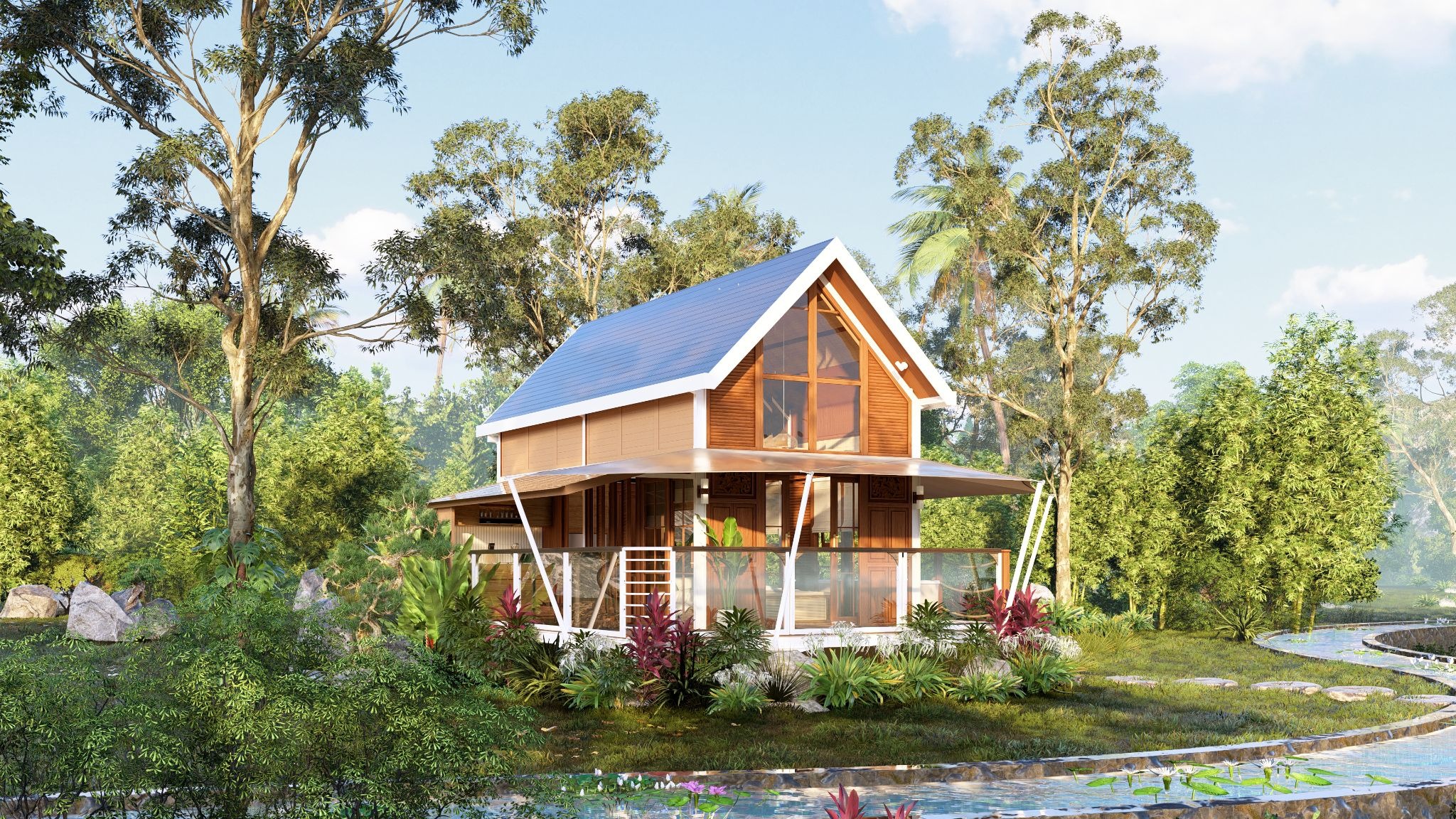
A Communal Core That Earns Its Space
The most memorable multi-generational stays revolve around one well-designed shared space — an open-plan living and dining area that flows naturally to a veranda or pool deck. Breakfast becomes unhurried. Games happen in the afternoon. Dinner turns into the kind of evening families remember for years.
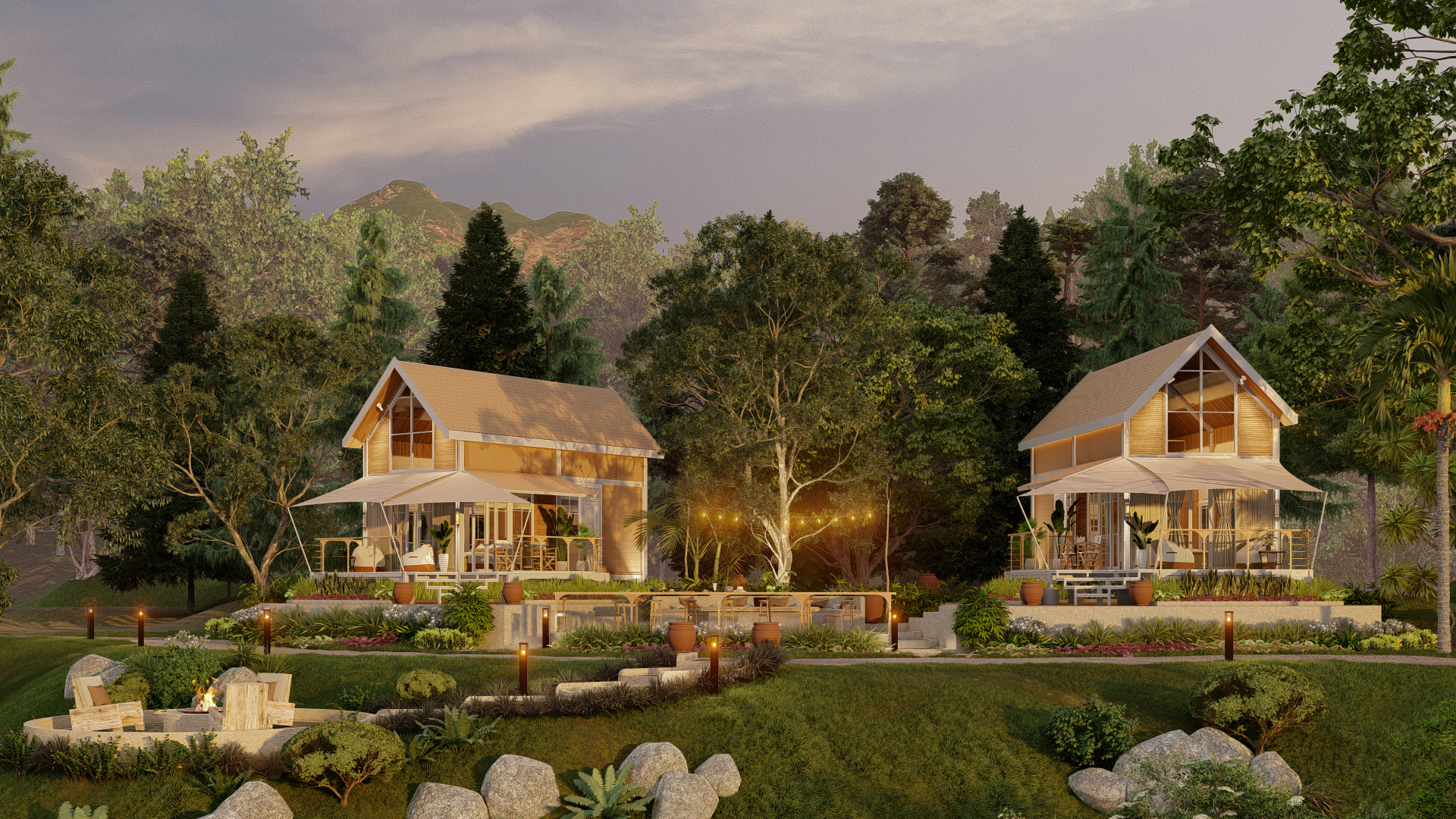
La Casa Modular’s villa concepts are built around this indoor-outdoor connection: communal living at the center, private sleeping and relaxation zones arranged around it. The goal is a natural daily rhythm, not a floor plan that forces people to walk through each other’s private spaces to reach a shared one.
Privacy Within the Villa — Not Just Between Properties
Togetherness is the draw, but everyone still needs a place to decompress. Mezzanine levels, secondary lounges, and covered outdoor zones create natural separation between activities without making the villa feel fragmented or hotel-like.
Flexible rooms that serve as a quiet reading space in the morning and a children’s activity area in the afternoon are a practical solution for longer stays — when the novelty of togetherness has settled into real daily life.
Designing for Grandparents Improves the Villa for Everyone
Accessibility is often treated as an afterthought. In practice, the features that make a villa comfortable for older guests — minimal level changes, wider circulation areas, ground-floor bedroom options, stable outdoor seating, easy movement between spaces — improve the experience for every guest, including parents with strollers and children who are still unsteady on their feet.
For resort developers, this matters commercially: a villa that a family cannot comfortably return to with aging parents is a villa that loses its most loyal repeat-booking segment. Today, around 25% of all leisure travelers are grandparents, and 37% of them travel with grandchildren (InBound SA / Virtuoso data). That is not a niche to design around — it is a primary guest.
The Commercial Case, Plainly Stated
Family groups travelling multi-generationally tend to:
- Stay longer — school holiday periods drive extended bookings that overlap with peak pricing windows
- Book larger configurations — filling entire villas rather than individual rooms
- Spend more — older generations often contribute significantly to trip funding; Baby Boomers are currently the fastest-growing segment for elevated travel spend (Sabre, 2025)
- Return — when the experience genuinely works for everyone, multi-generational groups rebook at higher rates than single-profile guests
A villa that comfortably accommodates three generations is not just a hospitality product. It is a booking that fills a larger unit for a longer stay, at full rate, with a high likelihood of return — and with modular construction, it gets to market faster and at lower cost than its conventionally built equivalent.
What La Casa Modular Builds
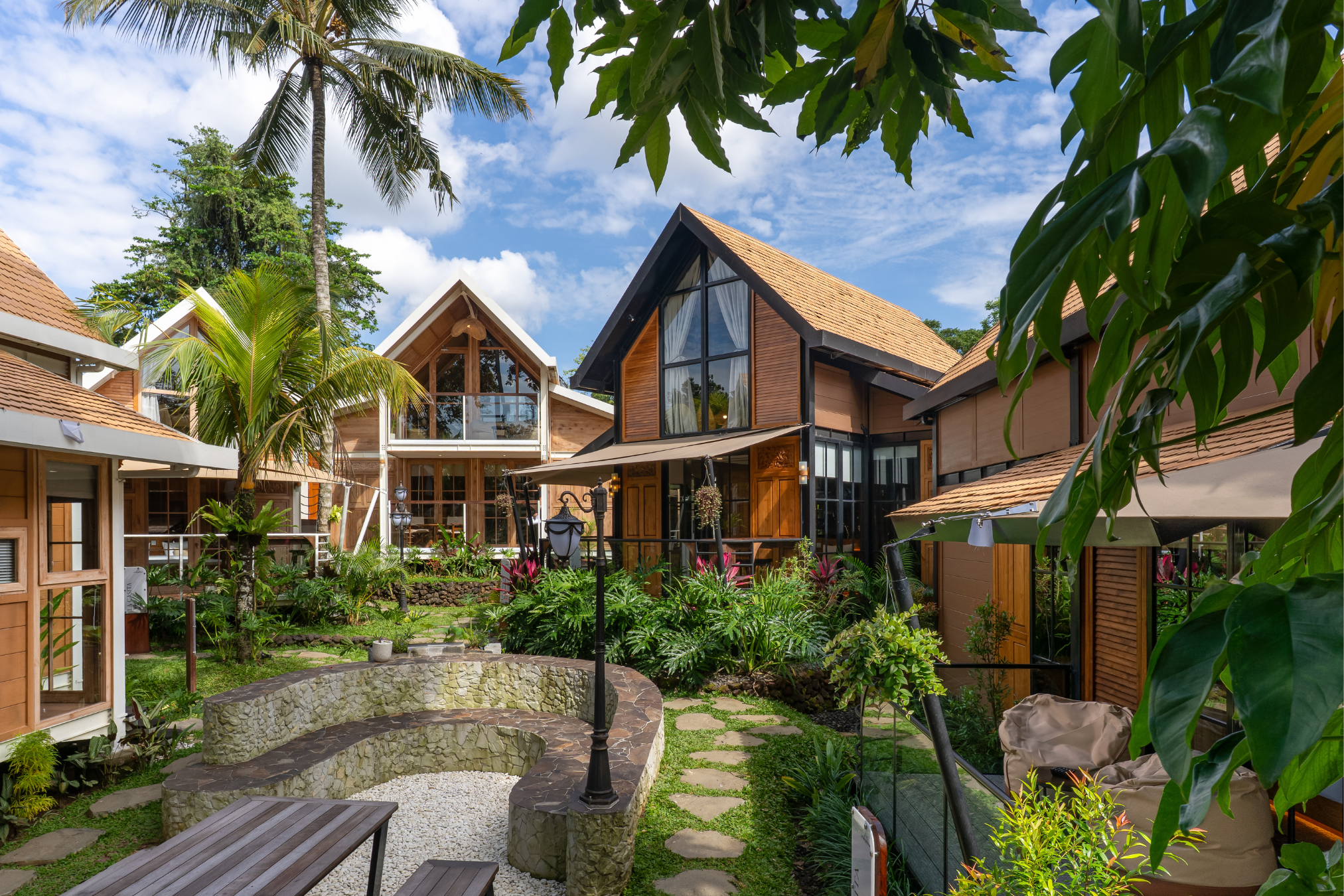
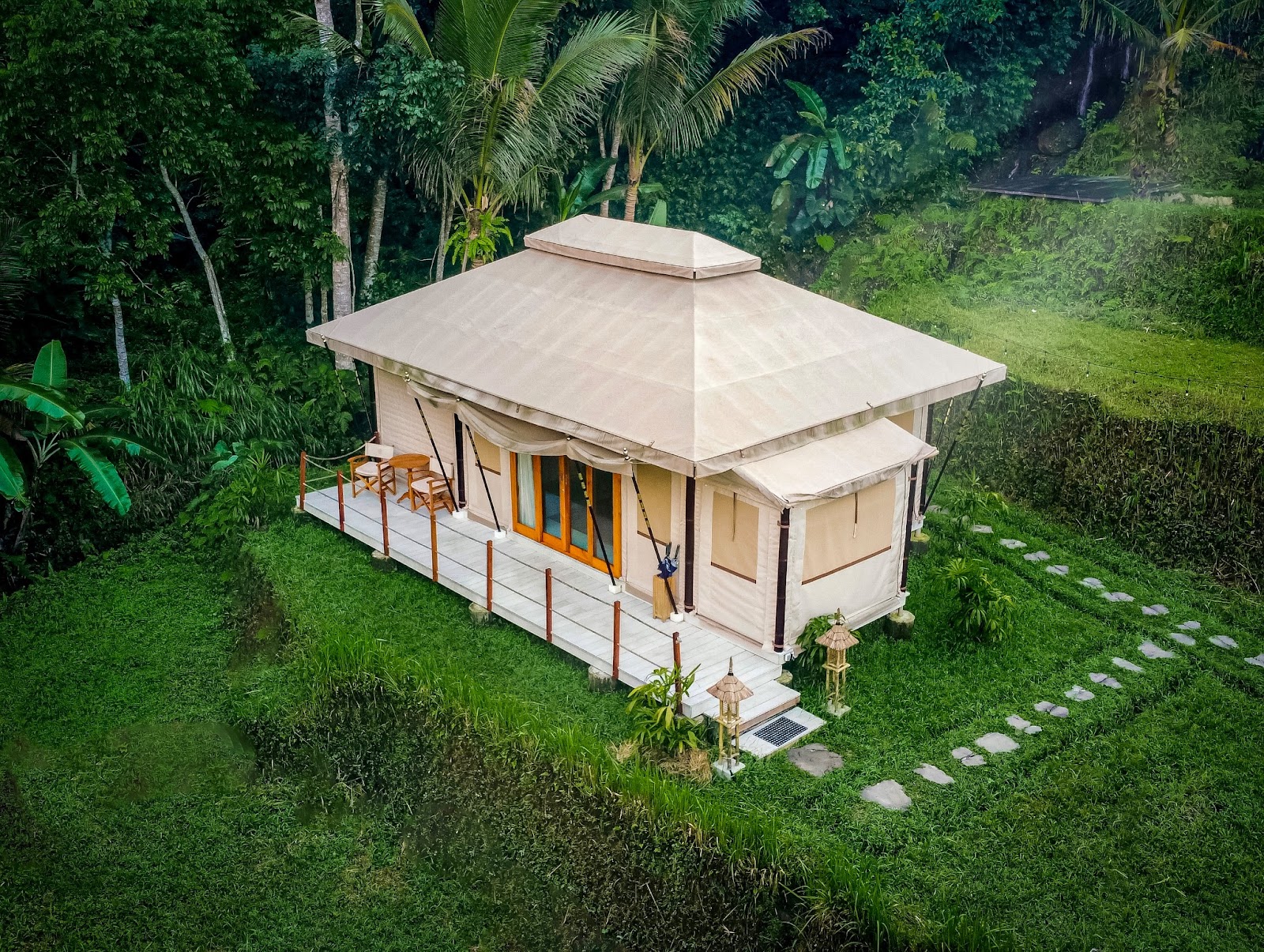
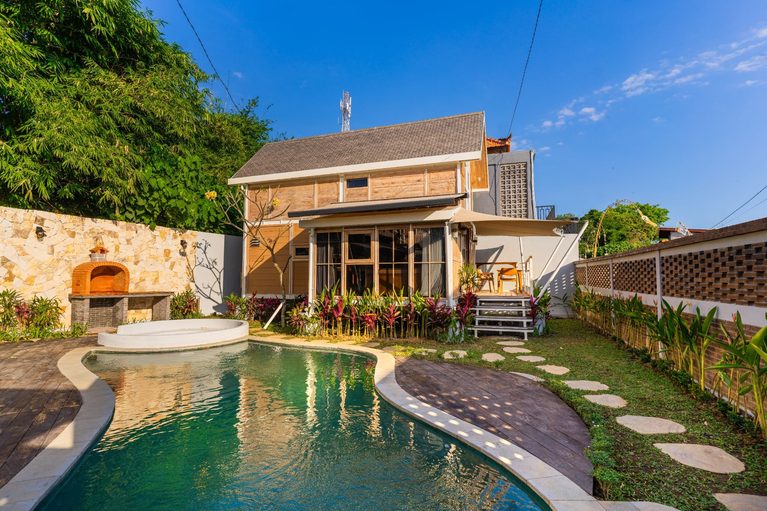
La Casa Modular’s villa concepts — including the La Finca (75+ sqm, two-story) and La Residencia (115+ sqm, premium accommodation) — are designed with multi-generational living in mind: open communal zones, private sleeping areas across multiple levels, and layouts that support both active family time and quiet personal retreat.
Designed for connection, privacy, and long-term value, each La Casa Modular villa is an invitation to rethink how families experience space. If your vision is to create a destination that resonates across generations, now is the moment to build with intention.
Partner with La Casa Modular to craft a bespoke modular residence tailored to your land, your audience, and your ambition. Begin with a private consultation and explore a fully customized layout and 3D rendering — seamlessly designed, thoughtfully executed, and offered at no cost.
Related Articles