

Can You Put a Modular House on Any Land? What to Check Before You Build
A modular house can offer a more streamlined approach to creating a home, retreat, or hospitality space. But before choosing a model, there is another question that matters just as...
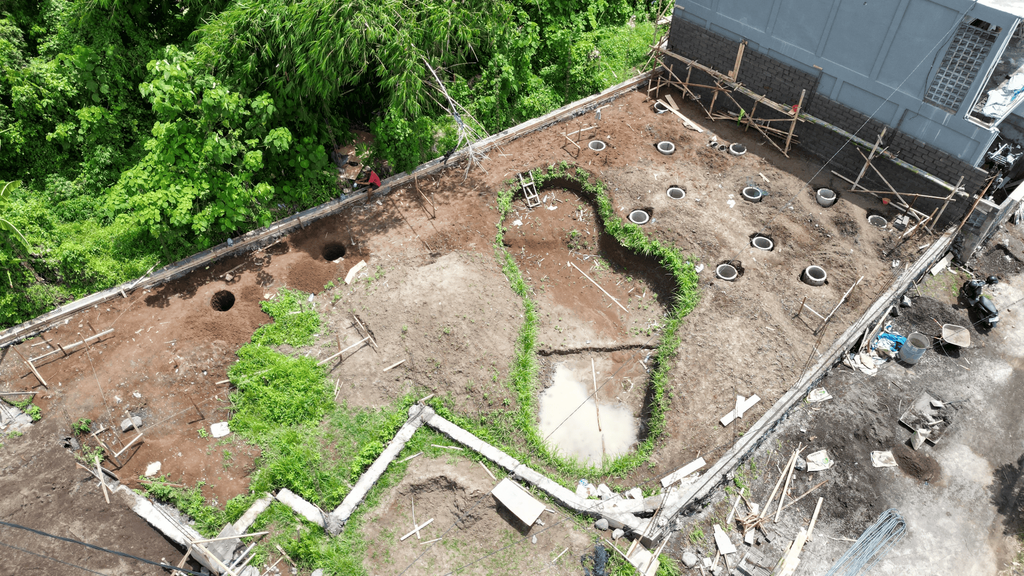
A modular house can offer a more streamlined approach to creating a home, retreat, or hospitality space. But before choosing a model, there is another question that matters just as much:
Is your land ready for a modular house?
The answer is not simply yes or no.
A modular house still needs to be delivered, installed, connected to essential services, and integrated with its surroundings. That means the characteristics of the site can influence everything from transportation and installation to drainage, utilities, and the final layout.
At La Casa Modular, we approach the house and the site as two parts of the same project. Before deciding what to build, it is important to understand what the land can accommodate.
Here are the key considerations to look at first.
1. Access to the Site
One of the first questions is surprisingly simple:
Can the house actually reach the site?
A modular house needs to be transported to its destination before installation. This means the route to the property should be considered early in the planning process.
Look at:
- The width and condition of access roads
- Bridges or restricted crossings
- Narrow turns
- Steep sections
- Road height restrictions
- The distance between the main road and the building location
- Available space for unloading and installation
A beautiful site may look perfect on a map, but difficult physical access can change how the project needs to be planned.
The site should be evaluated not only from where the house will stand, but also from how the house will get there.
2. Land Condition
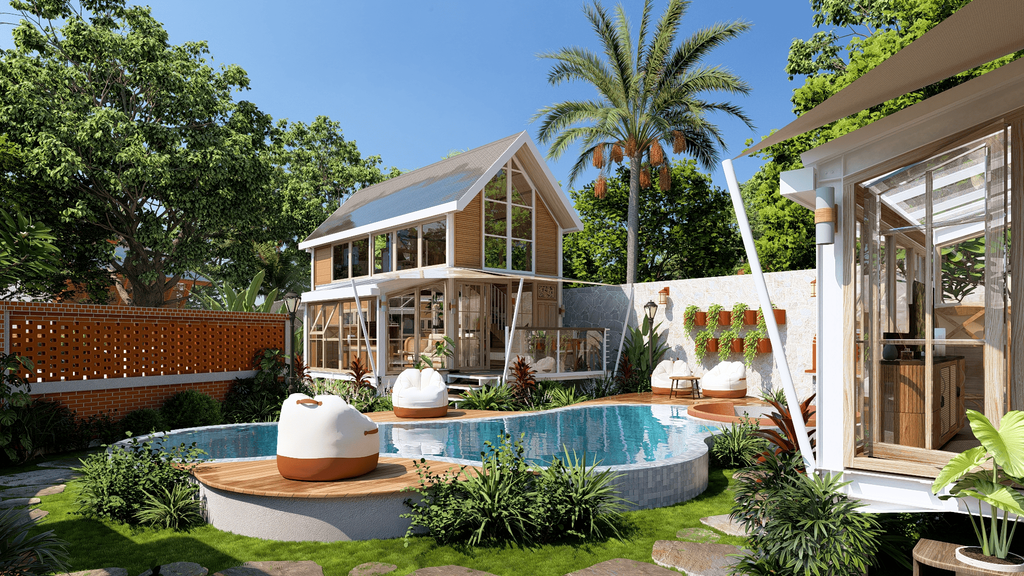
The condition of the land is another important consideration.
Before installation, it is necessary to understand the characteristics of the site itself. Is the ground relatively stable? Is it uneven? Does it have areas that may require preparation?
The answer can influence the preparation required before the modular structure arrives.
This is why the land should not be treated as an empty surface waiting for a house. It is part of the architecture and construction process.
3. Is the Land Sloped?
Sloping land does not automatically mean a modular house is impossible.
However, a slope can introduce additional considerations for planning, access, drainage, and site preparation.
On a sloped property, you may need to think carefully about:
- Where the house will sit
- How people and vehicles will reach it
- How water moves across the site
- How the surrounding landscape should be handled
- What preparation is required before installation
Rather than asking, “Can I build on this slope?”, a better question is:
“How should the house respond to this particular site?”
That shift in thinking can lead to a much better result.
4. Drainage and Water Management
Water is one of the most important things to understand about a site.
Before installing a modular house, consider how rainwater naturally moves through the property.
Look at:
- Areas where water collects
- Existing drainage paths
- The natural slope of the land
- Heavy rainfall conditions
- The relationship between the house and surrounding ground levels
Good planning should consider where water comes from, where it flows, and where it should go.
This is especially important when developing in environments with significant seasonal rainfall.
5. Vehicle and Installation Access

Site access is not only about getting the house to the property.
There also needs to be enough space for the installation process itself.
Consider whether vehicles and installation teams can safely reach the intended location and whether there is sufficient working space around the building area.
A site that looks spacious from above may feel very different once you consider:
transportation + unloading + installation + movement around the structure.
This is one reason why site assessment should happen before finalizing the project.
6. Utilities: What Happens After the House Arrives?
A modular house does not exist independently from its surroundings.
It still needs the infrastructure that makes a home function.
Depending on the project, this can include:
- Electricity
- Water
- Wastewater systems
- Internet or communications
- Other technical services required by the property
The availability and location of these services should be considered during planning rather than after installation.
The goal is to make sure the house is not only physically placed on the land, but properly integrated into the site.
7. The Surrounding Environment
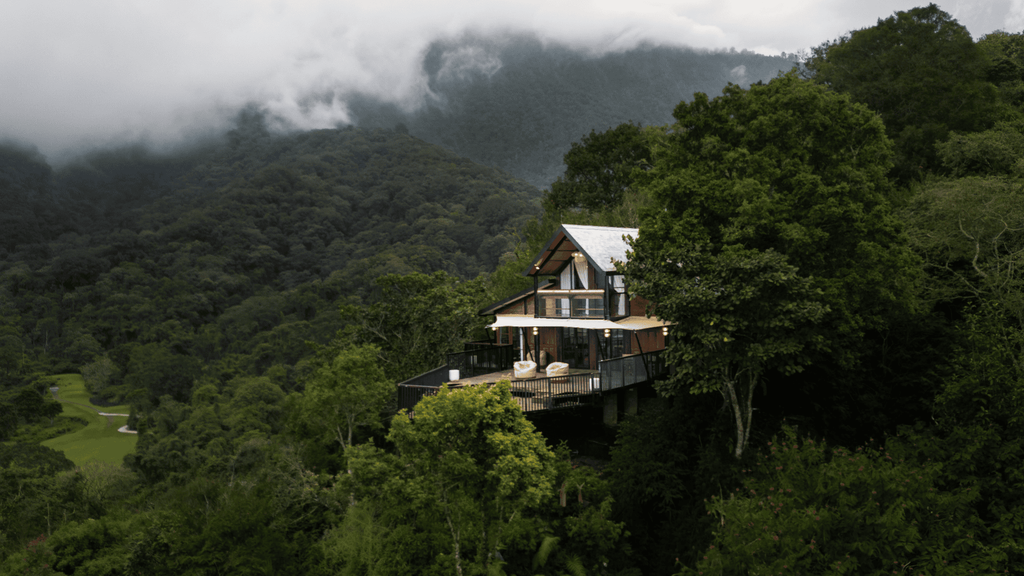
The best modular house is not necessarily the one that looks perfect in a catalogue.
It is the one that makes sense on your land.
Consider what surrounds the property:
- Existing trees
- Views
- Neighbouring buildings
- Privacy
- Sun exposure
- Wind direction
- Landscape
- Access to outdoor areas
These factors can influence where the house should be positioned and how its spaces relate to the environment.
For a modular home, flexibility should not only mean choosing finishes or furniture. It should also mean understanding how the design can belong to its setting.
8. Local Requirements
Finally, every project needs to be considered within the requirements that apply to its location.
Depending on where the property is situated, there may be local requirements relating to:
- Building permissions
- Land use
- Setbacks
- Utilities
- Environmental considerations
- Access
- Construction and installation
These requirements can vary significantly from one location to another, so they should be checked locally before committing to a project.
A modular construction method does not remove the need to understand the regulations that apply to the land.
So, Can You Put a Modular House on Any Land?
Not necessarily.
But that does not mean a site with a challenging characteristic is automatically unsuitable.
The more useful question is whether the land can be properly assessed and prepared for the type of modular project you want to create.
A flat urban plot, a tropical garden, a hillside retreat, or a remote hospitality site can each present very different considerations.
The important part is understanding the relationship between:
the land → the access → the utilities → the installation → the house.
When these elements are considered together from the beginning, the modular approach can become much more predictable and intentional.
The House Should Fit the Land — Not Fight It
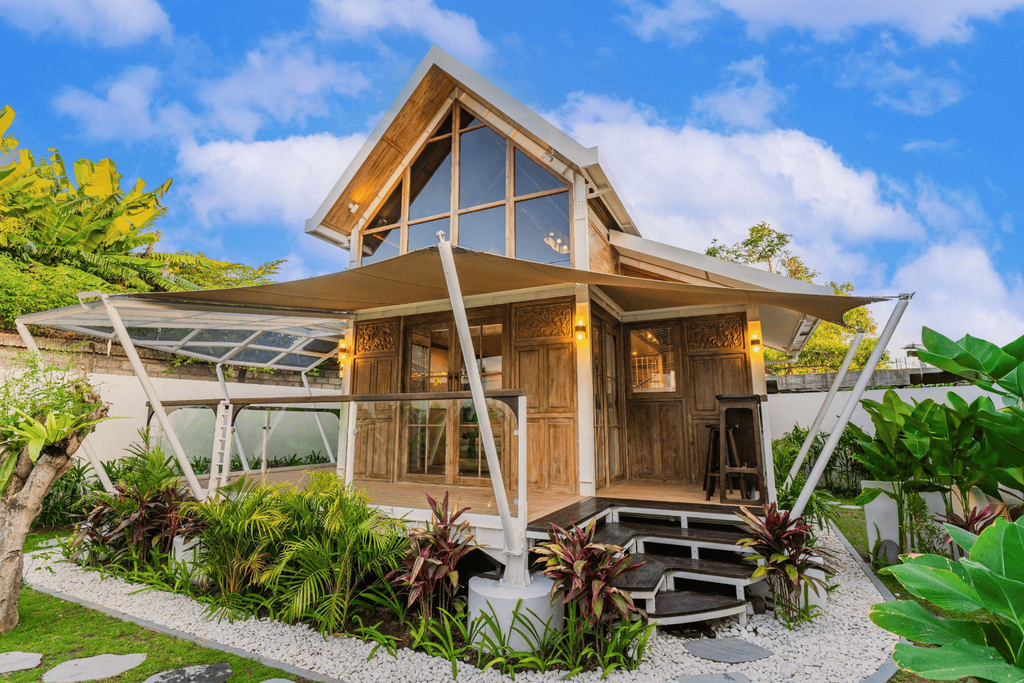
Choosing a modular house should never begin with the house alone.
It should begin with the site.
At La Casa Modular, our approach to prefab living is built around luxury, simplicity, and flexibility — creating spaces thoughtfully designed around how and where they will be lived.
From customization and quotation to shipment and installation with our team, we guide you through each stage of bringing your modular house project to life.
Have a piece of land and wondering what kind of modular house could work on it?
Start with the site. Share your location, your vision, and how you want to live — and let La Casa Modular help you explore what could be built there.
Your land has the potential. Let’s design what comes next.
Related Articles