

What Makes a Prefab House Structure Actually Last?
The frame, the material system, the engineering behind the walls — that’s what determines whether a home stays solid through years of heat, humidity, and rain. Or quietly starts to fail.
The frame, the material system, the engineering behind the walls — that’s what determines whether a home stays solid through years of heat, humidity, and rain. Or quietly starts to fail.
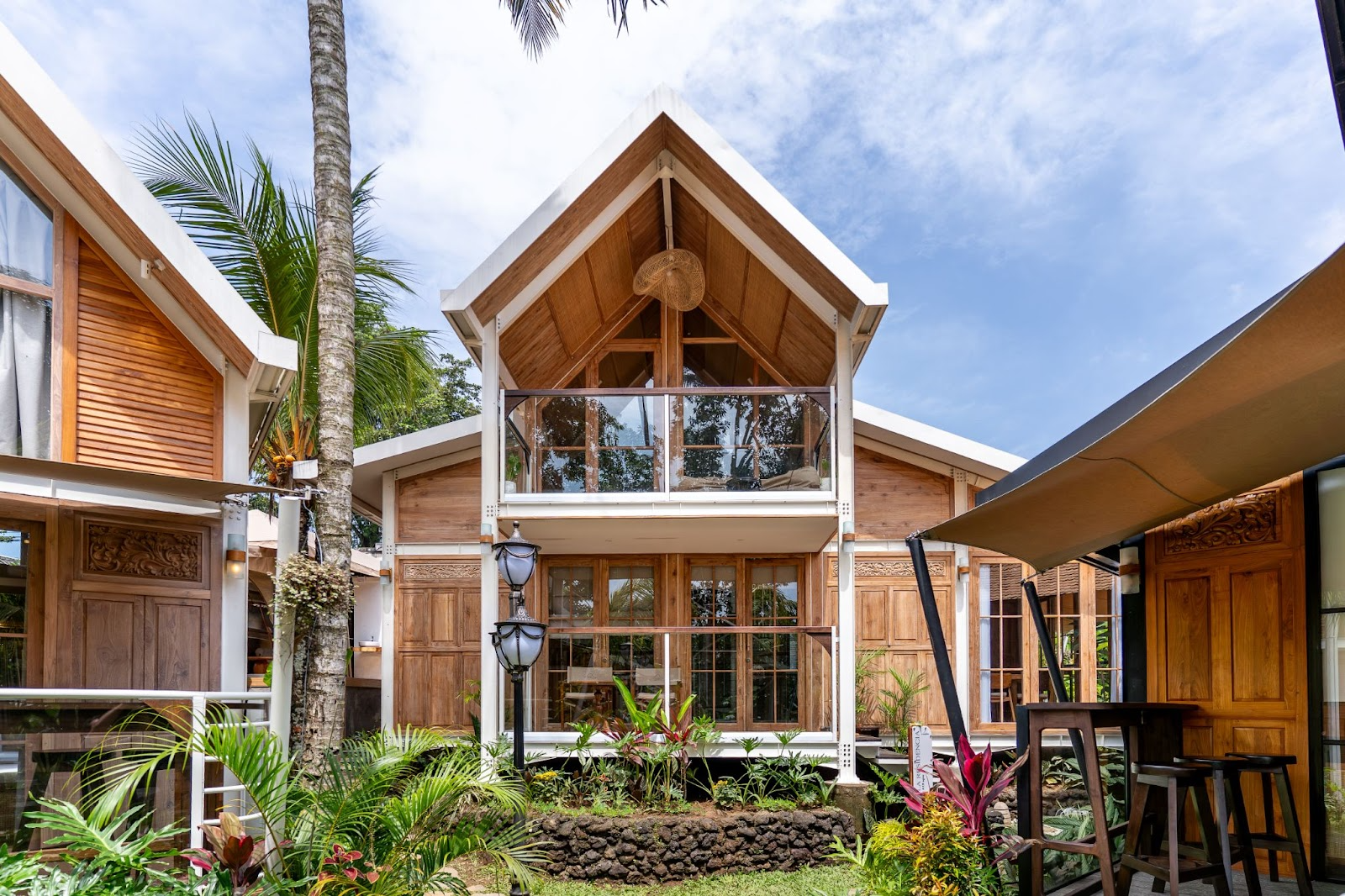
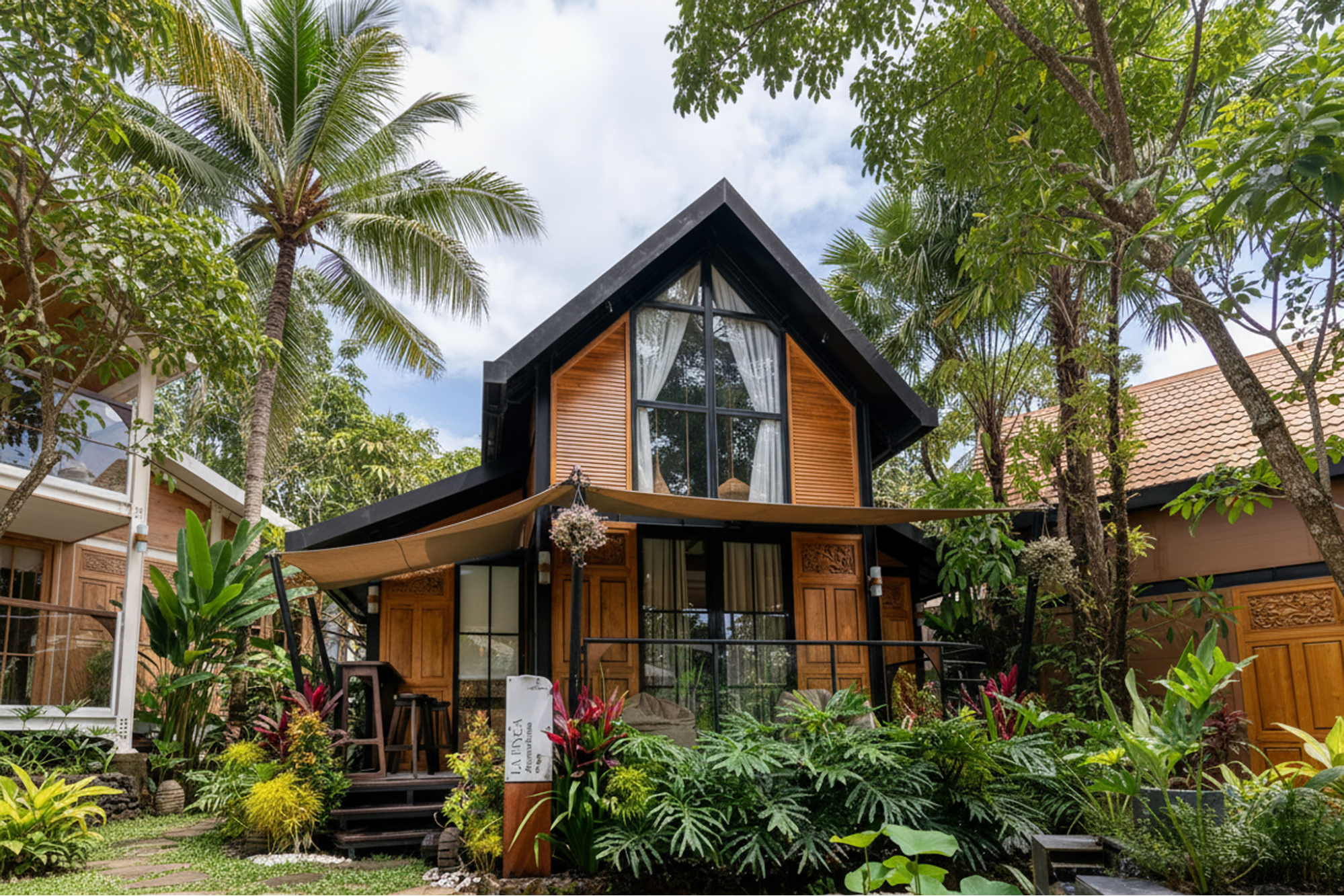
At La Casa Modular, structural thinking comes first. Not because aesthetics don’t matter, they do but because a beautiful luxury prefab house that doesn’t hold up over time isn’t really a home. It’s an expensive problem waiting to happen. This article breaks down what makes a prefab house structure genuinely strong, and why modular construction handles these questions better than conventional building.
Is a Prefab House Structure as Strong as a Conventional Build?
It’s the first thing most people ask, and it’s a fair one. The short answer is yes. A well-designed prefab house structure can be just as strong, and in many ways more consistent, than a traditional build.
With conventional construction, outcomes depend heavily on what happens on-site: the weather, the crew, whether materials arrive on schedule. Even with good teams, small inconsistencies add up, misalignments, gaps, components that don’t fit quite right. With modular construction, key structural parts are prepared in a controlled environment, measured and assembled with precision before they ever reach the site. When everything comes together, it fits because it was engineered to.
The result isn’t just faster to build. It’s more predictable and more reliable over the long run.
50 yr
50 yr STRUCTURAL LIFESPAN0% TERMITE RISK WITH STEEL↑ Higher PRECISION VS ON-SITE BUILDS
0%
TERMITE RISK WITH STEEL
↑ Higher
PRECISION VS ON-SITE BUILDS

Why Steel Frame Prefab Works Better in Warm, Humid Climates
At the core of every La Casa Modular home is a steel frame prefab structure. This is a direct response to how buildings behave in warm, humid environments over time. Wood warps, it absorbs moisture, expands and contracts, and gradually shifts. Organic materials attract insects. In climates with persistent heat and humidity, these aren’t rare problems. They’re predictable ones.
WHY WE USE STEEL
Stable. Termite-proof. Built for the long game.
Steel doesn’t warp, shrink, or shift as humidity changes. It’s completely resistant to termites, one of the most destructive threats to homes in warm climates. Anti-corrosion coatings make it suitable even for coastal areas where salt air accelerates deterioration in untreated materials.
HOW STEEL FRAME PREFAB COMPARES TO TRADITIONAL BUILDS
| Factor | Steel Frame Prefab | Conventional Build |
|---|---|---|
| Termite resistance | ✓ Fully resistant | ✗ Timber at risk |
| Humidity & heat | ✓ Engineered for it | ~ Depends on materials |
| Build precision | ✓ Factory-controlled | ~ Site and crew dependent |
| Structural lifespan | ✓ Up to 50 years | ~ Varies widely |
| Coastal suitability | ✓ Anti-corrosion treated | ✗ Needs extra treatment |
| Ongoing upkeep | ✓ Minimal maintenance | ✗ More frequent repairs |
For anyone designing a tropical prefab home or a luxury prefab house meant to hold its value for decades, these characteristics aren’t extras — they’re the baseline.

A Modular Home Structure Is a System, Not Just a Frame
The steel frame is the starting point. What separates a truly durable modular home structure from a basic prefab is how every layer is designed to work with the others. In many construction projects, the frame, wall panels, and roof are decided by different teams at different stages. That independence creates gaps, thermal bridges, moisture vulnerabilities, components that meet spec individually but don’t perform well together.
At La Casa Modular, these elements are engineered as a single integrated system. Each component is sized and specified with the others in mind.
- Frame and envelope designed together, not independently retrofitted
- Wall systems chosen for thermal and moisture performance, not just structure
- Fewer on-site adjustments needed, which means fewer errors
- Consistent results across different locations and climates

A Luxury Prefab House Built to Last 50 Years
La Casa Modular homes are designed with a structural lifespan of up to 50 years. That’s not a tagline, it’s an engineering target that shapes every material choice we make. A home with the right structure doesn’t demand much from you over time. No warping, no termite remediation, no gradual settling that throws doors out of alignment. It simply works, year after year, quietly and reliably.
“A good structure shouldn’t need constant attention. It should simply work and keep working.”
That’s what separates a well-built luxury prefab house from a home that looks great on handover day but starts showing its weaknesses a few years in. If you’re thinking about what the right structure looks like for your site and climate, our team is a good place to start.
COMMON QUESTIONS
Is a prefab house structure as strong as a conventional build?
Yes — and in many cases more consistent. Because key components are manufactured in controlled conditions rather than assembled on-site, there’s less variability in quality. The result is a structure that fits precisely and performs reliably from day one.
How long does a steel frame prefab house last?
A well-built steel frame prefab house is designed to last up to 50 years. Steel doesn’t warp, shrink, or attract termites, and with protective coatings it holds up in humid and coastal environments without requiring ongoing structural repairs.
Why is steel frame better than timber for prefab homes in warm climates?
Steel is completely termite-resistant and doesn’t absorb moisture, so it stays dimensionally stable even in high humidity. Timber, by contrast, is vulnerable to both — it warps, shifts, and attracts insects over time, which creates maintenance costs and structural risk.