

Small Land, Big Experience
How to build a boutique resort in Indonesia that guests actually love — using modular villas rooted in Javanese design tradition.
The first question almost every landowner asks when they’re thinking about hospitality is the same: is my plot big enough?
The honest answer? It depends far less on size than you’d think. Across Indonesia’s most sought-after destinations, from the hillsides of Ubud and the coastlines of Lombok to the quiet corners of Flores and the Gili Islands, some of the most fully booked boutique properties sit on plots under 2,000 m². What they share isn’t land area. It’s a clear sense of place, intentional design, and the kind of atmosphere that makes guests extend their stay and come back a year later.
If you’re exploring compact resort development in Indonesia right now, this is a good moment to be doing it. Guest preferences have shifted. The mid-to-luxury traveler today isn’t chasing scale, they want intimacy, privacy, and authenticity. A 6-villa property that feels curated will outperform a 60-room hotel that feels anonymous, every time.
<2K
m² — top-rated boutiques
4–6
months to completion
50+
years structural lifespan
Layout is everything on a small plot
The single biggest lever in compact resort design isn’t the materials or the furniture, it’s how the space is organized. A poor layout wastes land and creates friction for guests. A smart one makes even a modest site feel generous.

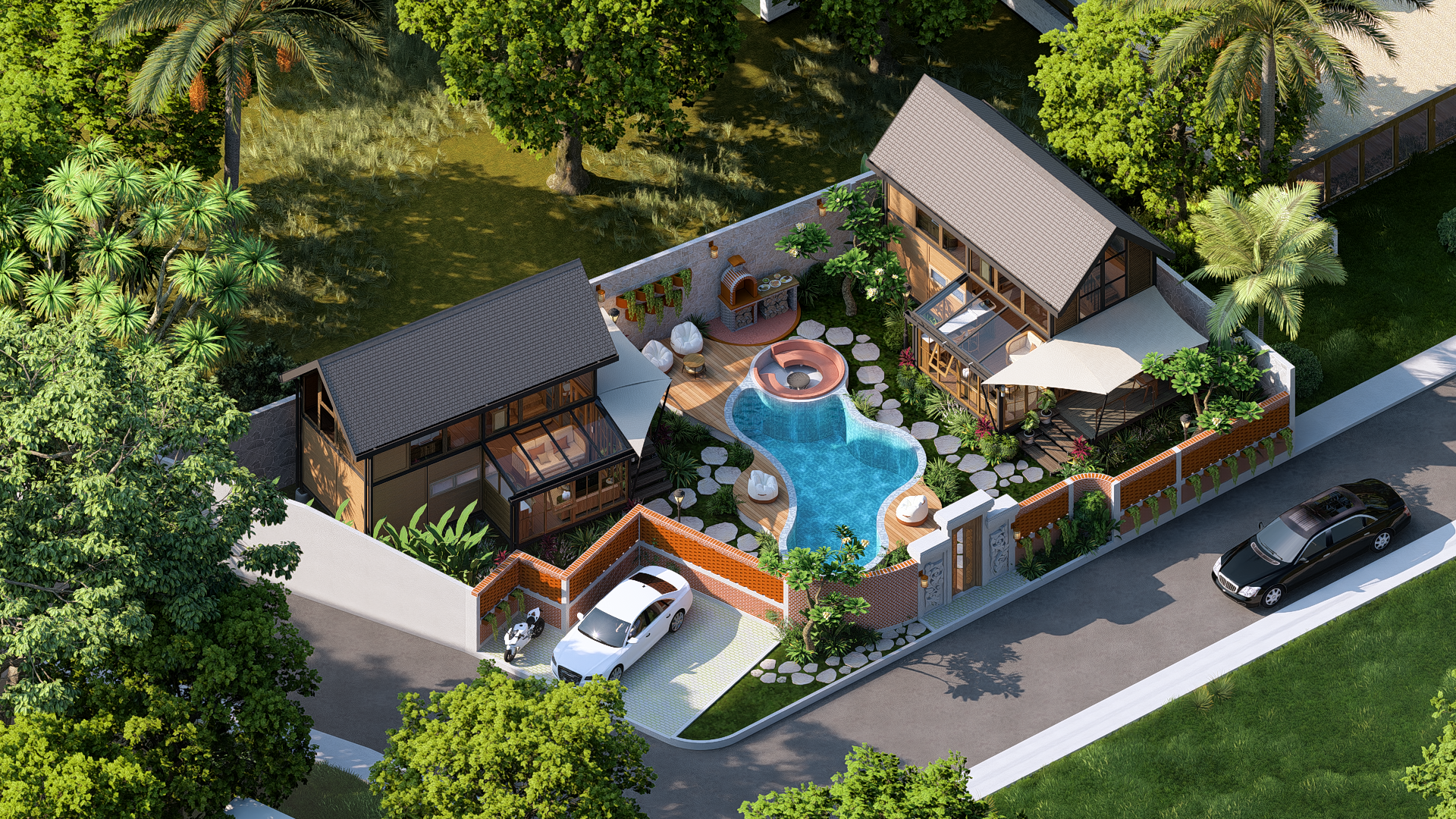
Cluster layouts reduce wasted circulation and make compact sites feel generous and alive.
Rather than placing villas in a straight row — which tends to feel like a parking lot — cluster units around a shared focal point: a pool deck, a garden, a café corner. This reduces the amount of circulation infrastructure you need (paths eat land fast) and creates natural flow between spaces. The property feels alive, even with only four or five units.
One practical advantage of modular systems like La Casa Modular is that units can be positioned to follow the site’s natural contours, preserve existing trees, or orient toward specific view corridors, without requiring expensive custom design from scratch. The structure comes to the land; the land doesn’t get bulldozed for the structure.
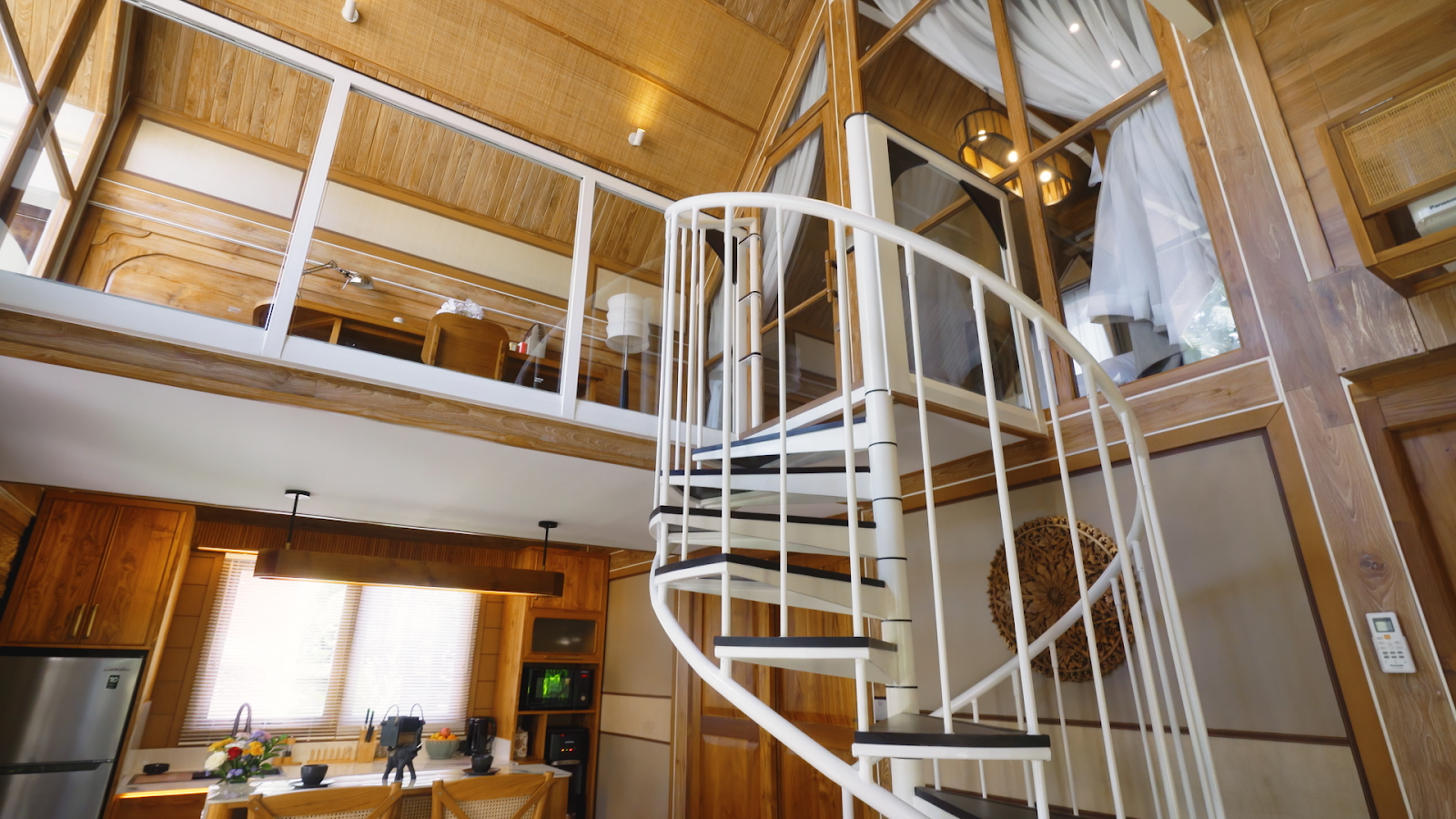
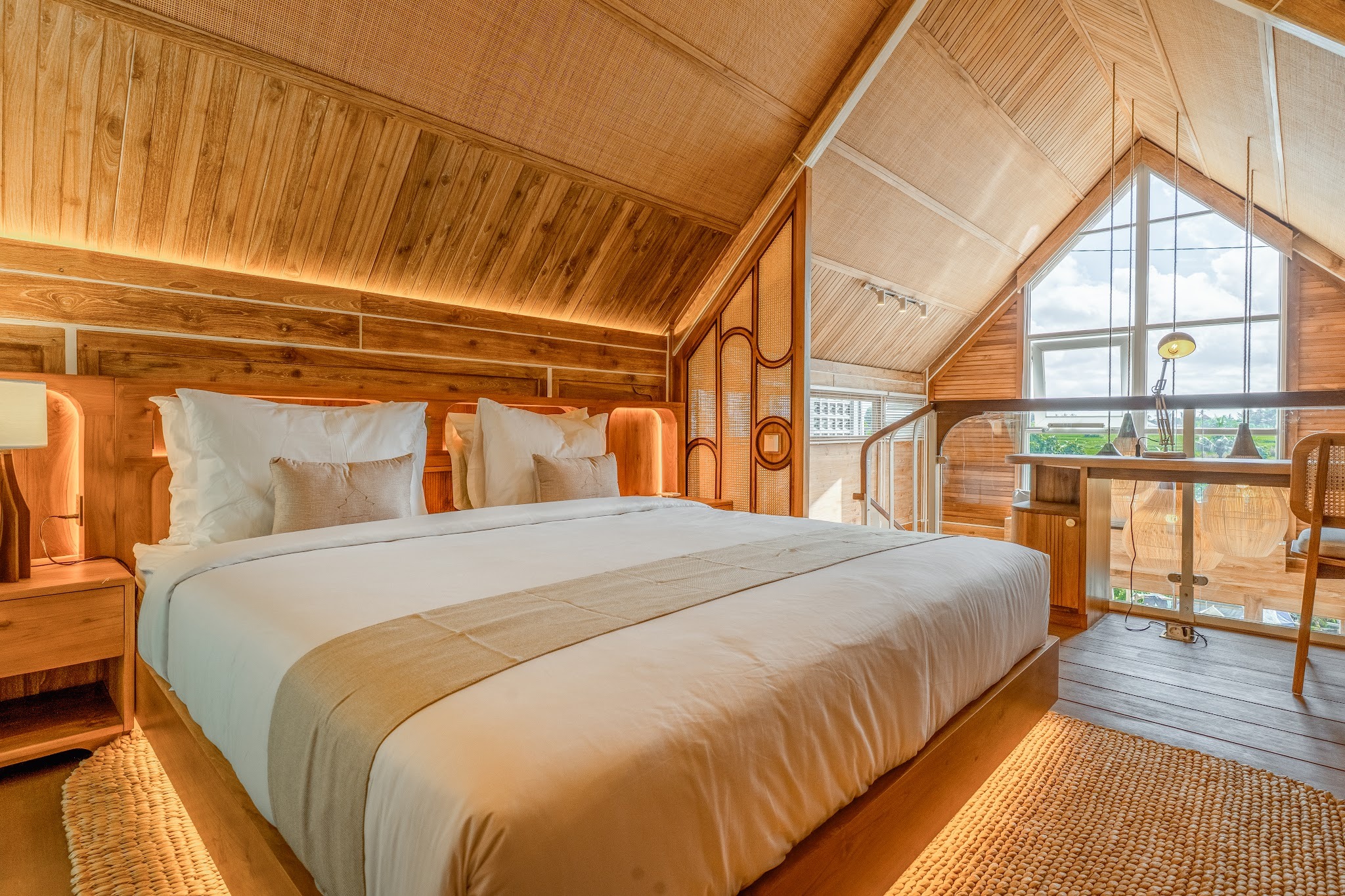
On tighter plots, the mezzanine levels built into models like La Finca and La Residencia let you capture vertical space, adding sleeping quarters or a lounge above without increasing the footprint below. And don’t underestimate the arrival sequence: the first 30 seconds from gate to reception sets the entire tone of a stay. Even on small land, that transition deserves real design attention.
“A 6-villa property that feels curated will
always outperform a 60-room hotel that feels
Anonymous.”
Privacy is a product — and it’s achievable on small land
Guests pay a premium for privacy. The good news: you don’t need vast space to deliver it.
Rotating each villa slightly — even 10 to 15 degrees relative to its neighbors — dramatically cuts direct sightlines between units. Pair that with layered tropical landscaping (ground cover, mid-height shrubs, canopy trees), and you get visual separation that feels natural rather than constructed. In Indonesia’s tropical climate, that greenery fills in fast and becomes part of the resort’s identity.

Each La Casa Modular unit comes with a private veranda — built-in outdoor territory for guests.
This is where La Casa Modular’s design thinking pays off directly. Every unit in their lineup comes with a private veranda — La Casita’s fixed canopy and tension awning, La Finca’s expansive deck — giving guests their own outdoor territory without requiring the plot to absorb an additional custom structure. Stagger the setbacks between units and you can achieve meaningful privacy on a site that might look tight on paper.
The right villa for your resort — three options from La Casa Modular
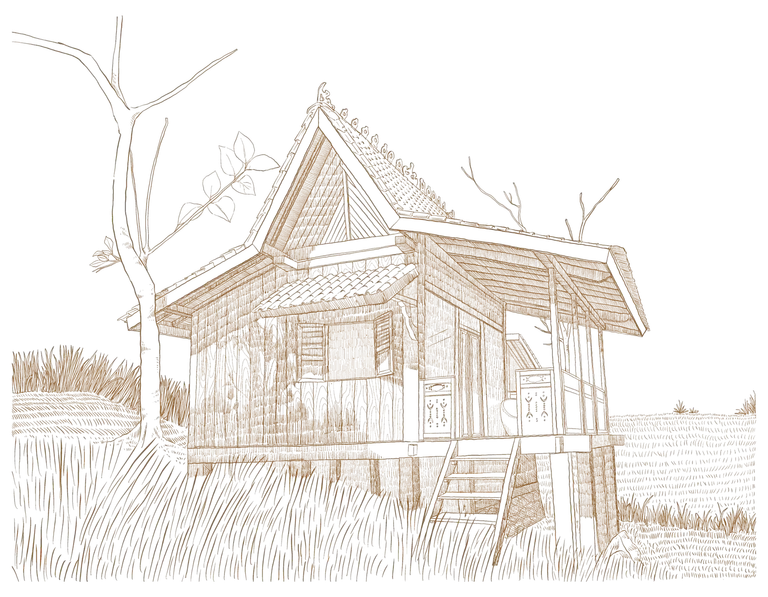
La Casa Modular offers three collections, each built around the spirit of the traditional Javanese Gladak house, lightweight timber construction, cultural character, and the kind of warmth that guests describe as feeling “close to nature”. All units use premium teak wood and rattan from trusted Indonesian suppliers, are designed for 50+ year structural lifespans, and are completed in 4 to 6 months from order to handover.
La Casita
45 sqm · 2–4 guests The entry point to the collection. Stylish, intimate, and purpose-built for boutique bungalow use — or a standalone vacation home. • Private room + loft • Spacious bathroom • Veranda with canopy • Teak & Rattan interiors
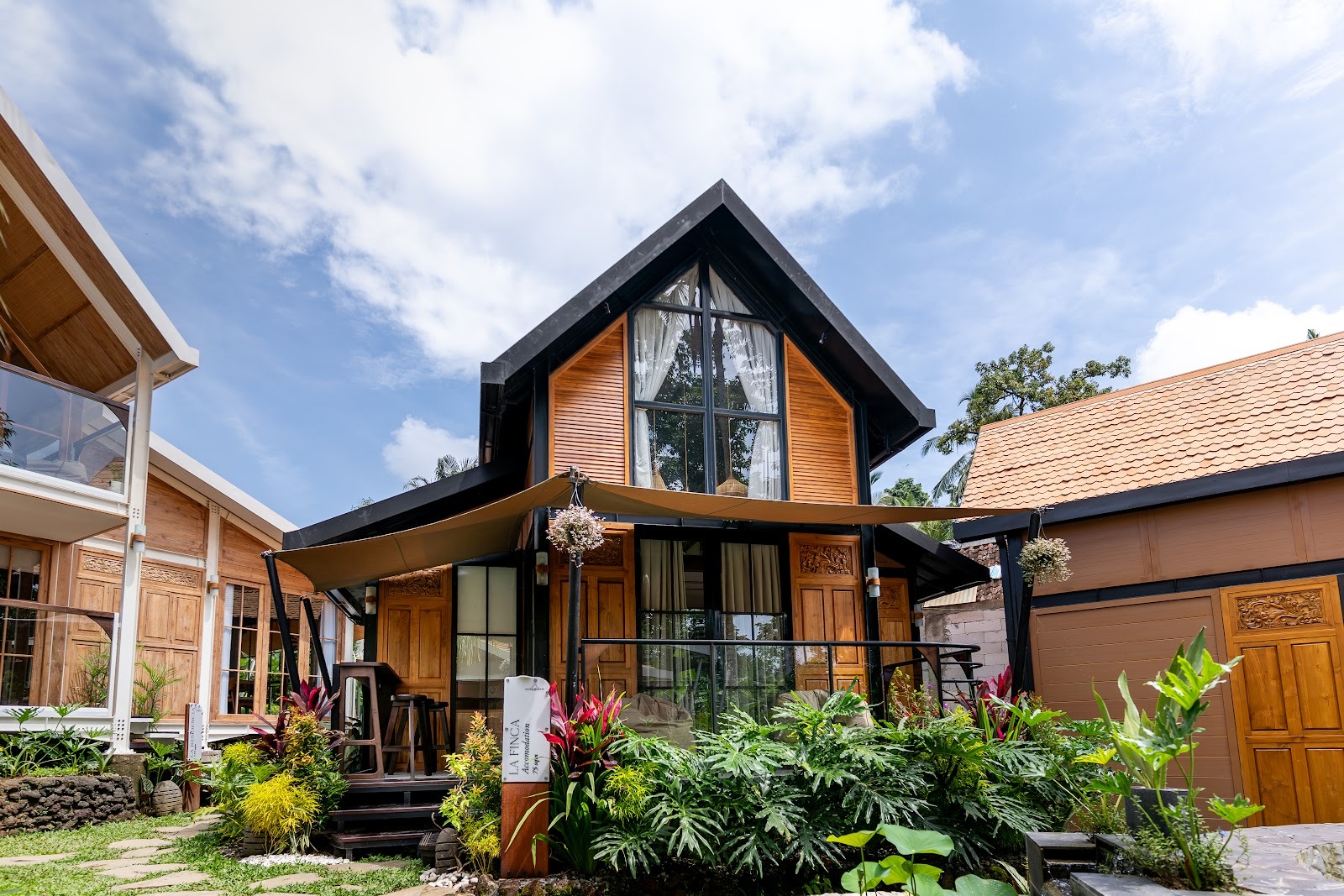
La Finca
75 sqm · 2–4+ guests The workhorse of the lineup. A full villa experience — master bedroom, mezzanine, kitchen, dining, living, and veranda. • Master bedroom + mezzanine • Full kitchen & dining • Bright living area • Inviting veranda
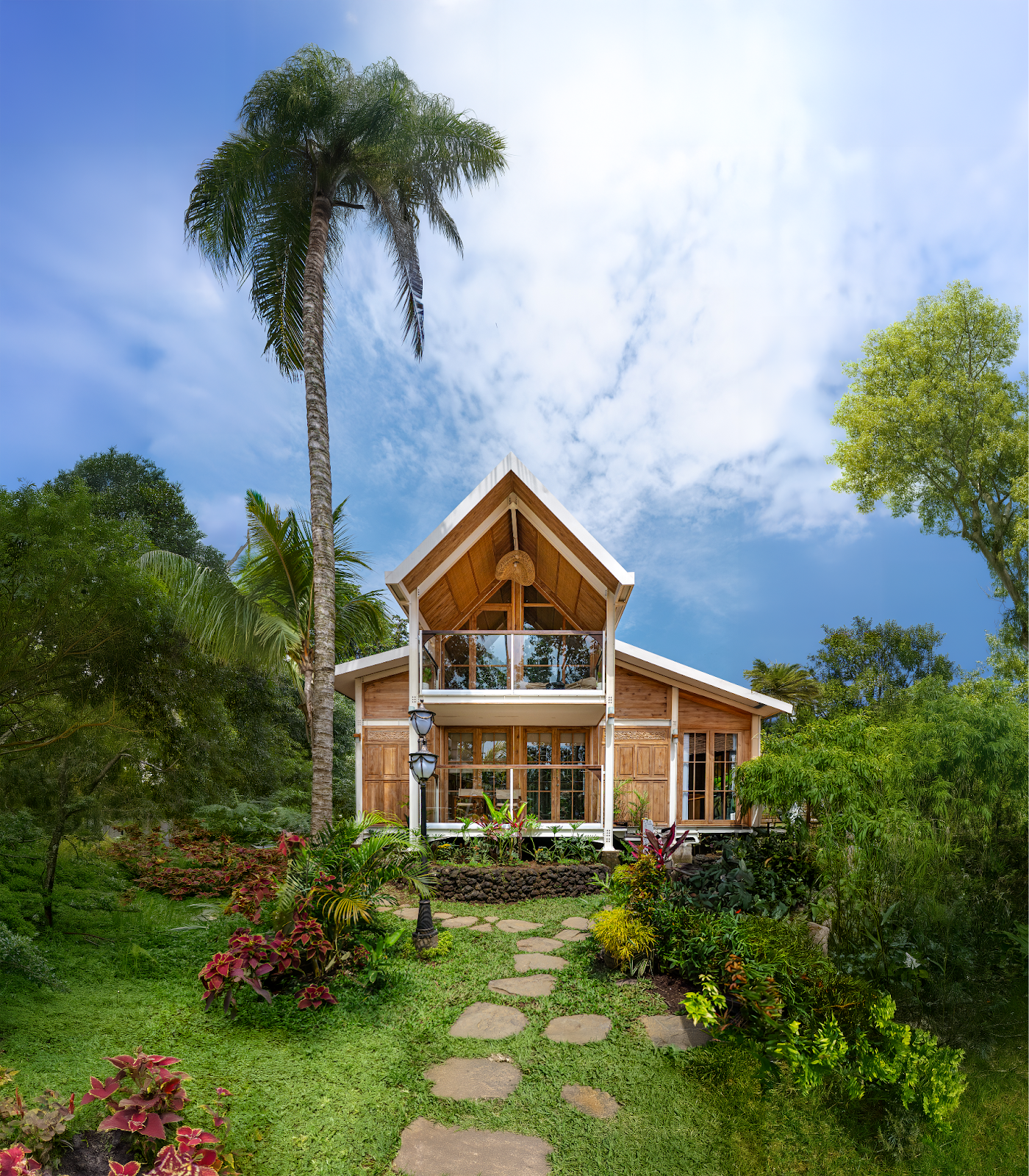
La Residencia
Larger format · 1–2 bedrooms Premium and generous. For resort developers who want to offer a full luxury villa experience within a compact footprint. • En-suite bedroom(s) • Kitchen & dining area • Versatile upstairs zone • Balcony with views
All three models are built on a system that minimizes concrete use, reduces land digging, and lowers construction emissions — a practical advantage on sensitive sites, remote islands, or plots where ground disruption is a concern.
How many villas can actually fit?
A rough guide based on typical boutique resort projects across Indonesia’s tourism destinations, mapped to La Casa Modular unit types:
| Land area | Unit count | Format | Suggested model |
| 500 – 800 m² | 2 – 3 units | Micro-boutique | La Casita |
| 800 – 1,500 m² | 3 – 5 units | Small boutique | La Casita / La Finca |
| 1,500 – 3,000 m² | 5 – 8 units | Compact boutique | La Finca / La Residencia |
| 3,000 – 5,000 m² | 8 – 12 units | Mid-scale boutique | La Residencia mix |
Profitability at the smaller end is real. Several successful micro-boutique properties in Indonesia operate on plots under 800 m². The math works when niche positioning, nightly rate, and occupancy are right — which has more to do with design quality and brand than with unit count. And because La Casa Modular’s system supports phased development, many resort owners start with 3 units and expand later without losing visual coherence.
The mistakes that quietly sink compact resort projects
01 — Overcrowding the plot
The temptation to fit one more unit is real, but it almost always costs you the atmosphere that made the property worth staying at. The spacing between La Casa Modular units is as important as the units themselves. Generous gaps pay back in reviews and repeat guests.
02 — Underinvesting in landscaping
On a small site, greenery does the heavy lifting for privacy and atmosphere. La Casa Modular’s low-concrete construction system means less site disruption during the building which makes it easier to protect and integrate mature trees and existing planting from day one.
03 — Ignoring the arrival sequence
The first 30 seconds from gate to reception sets the entire tone. Even on compact land, the path from entrance to unit deserves careful attention, it’s the moment guests shift from traveler to guest.
04 — Skipping the phased development plan
Because La Casa Modular units are modular by definition, later additions can remain visually and structurally consistent with the first phase. But only if the site plan accounts for growth from the start.
“The question was never whether the land is big enough.
It’s how thoughtfully you design what’s there.”
With smart layout planning, the right privacy techniques, and La Casa Modular’s teak-and-rattan prefab system adapted to your site, compact land across Indonesia can support a boutique resort that performs commercially and resonates with guests for decades.

The feeling guests carry with them when they leave — that’s the product.
Ready to develop your land in Indonesia?
Explore La Casa Modular villa options — La Casita, La Finca, and La Residencia — suited to your site and budget.
CONSULT YOUR PROJECT
La Casa Modular © 2026 · Boutique Resort Development · Indonesia
Related Articles