

Modular vs. Conventional: Which Gets Your Villa Operational Sooner?
For hospitality developers, timeline isn't just a construction concern, it determines when you can start taking bookings, welcoming guests, and generating revenue. This guide breaks down how modular and conventional builds actually compare, and why predictability often matters as much as speed.
“How long will it take to build?”
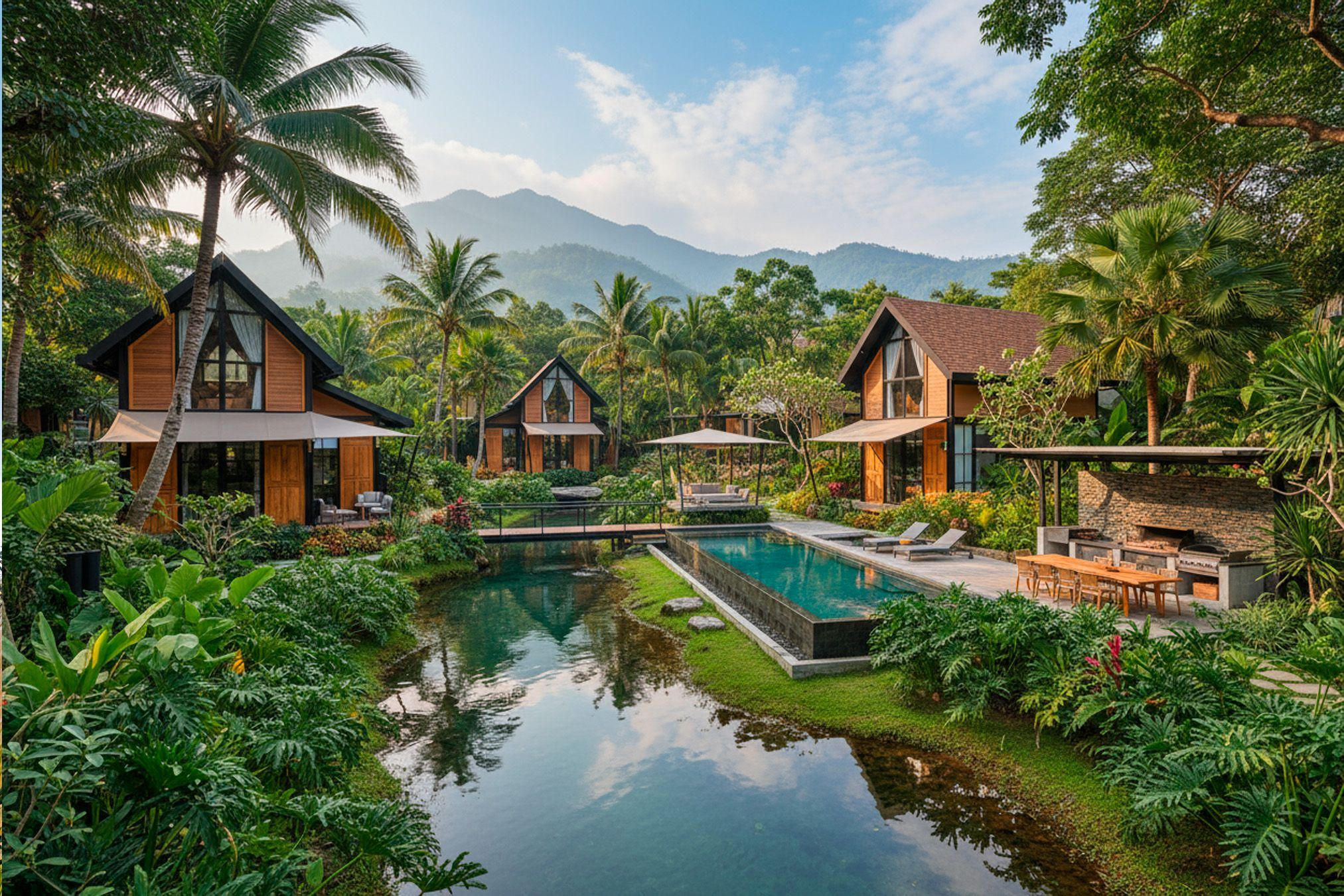
It’s the first question almost every developer asks, and a fair one. Timelines don’t just affect construction schedules. It is shaped when you can hire staff, start marketing, accept bookings, and welcome your first guests. Missing a high season by even a few weeks can shift an entire year of business momentum.
How conventional construction works
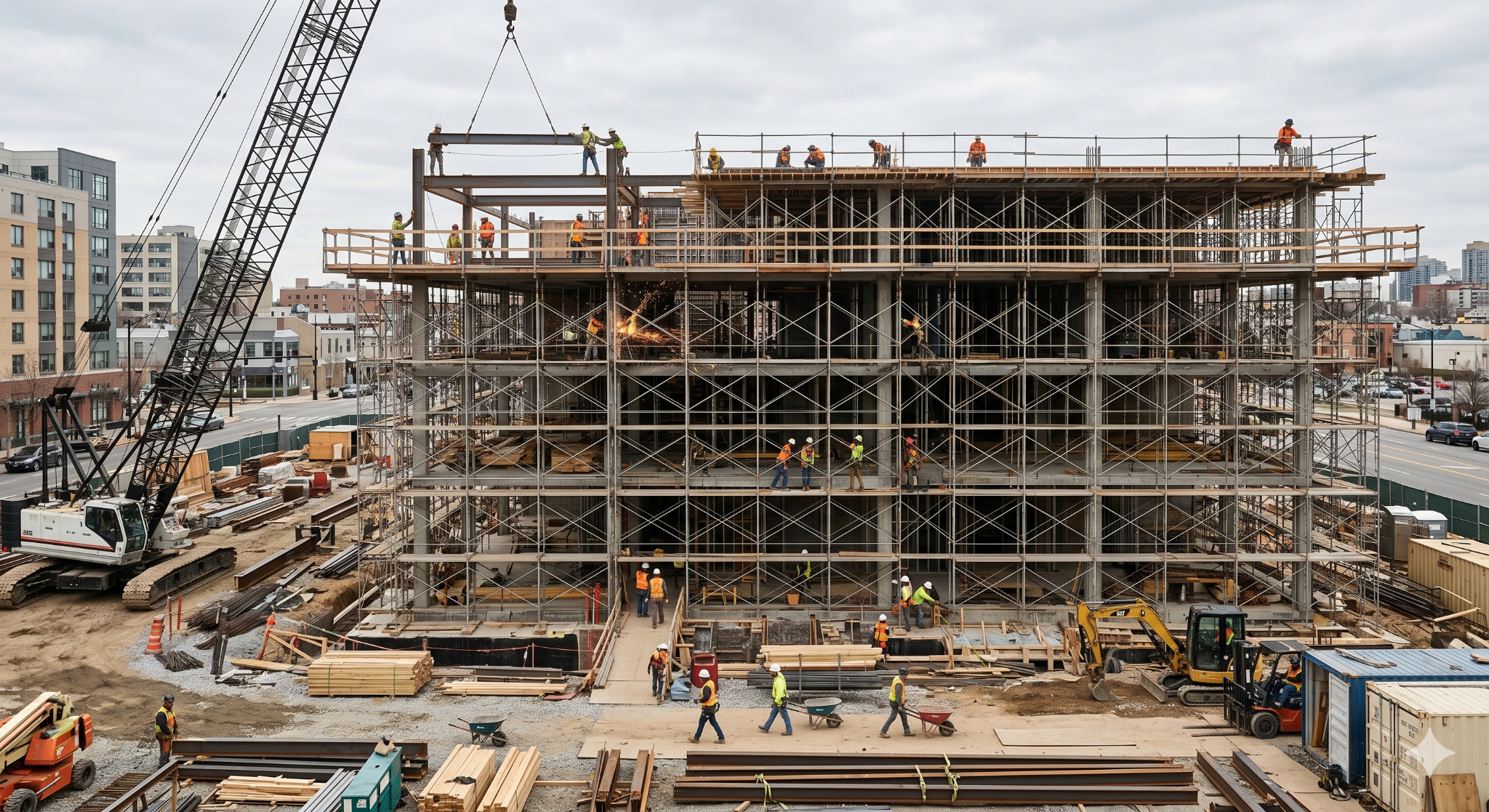
Traditional construction follows a largely sequential process. Each phase unlocks the next: land preparation leads to foundations, which leads to structural framing, then MEP installation, interior finishing, and final detailing.
This sequential rhythm works well, but every dependency is also a potential delay. Weather, labor coordination, and material delivery all interact on-site, often in ways that are difficult to predict in advance.
Why prefab moves differently
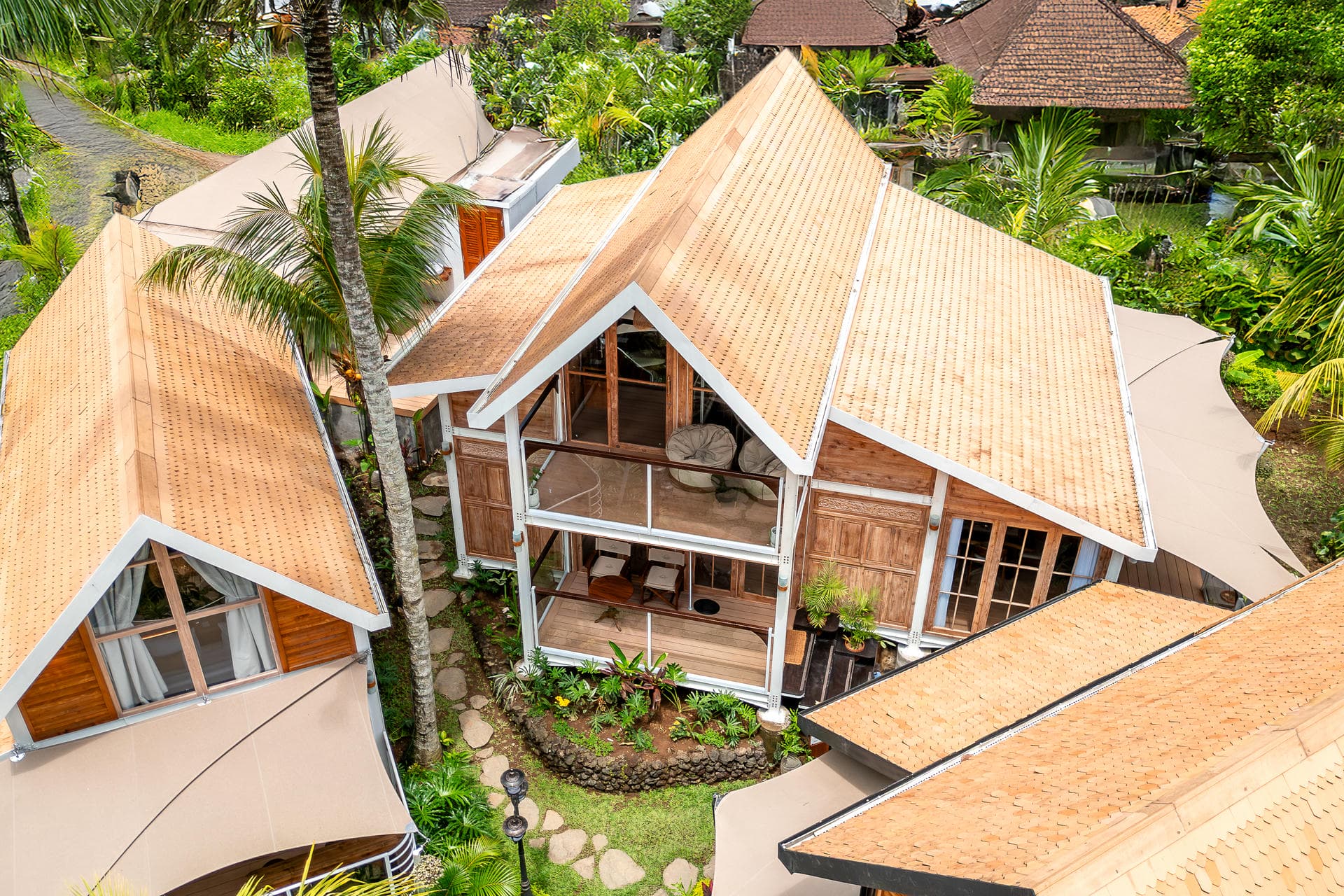
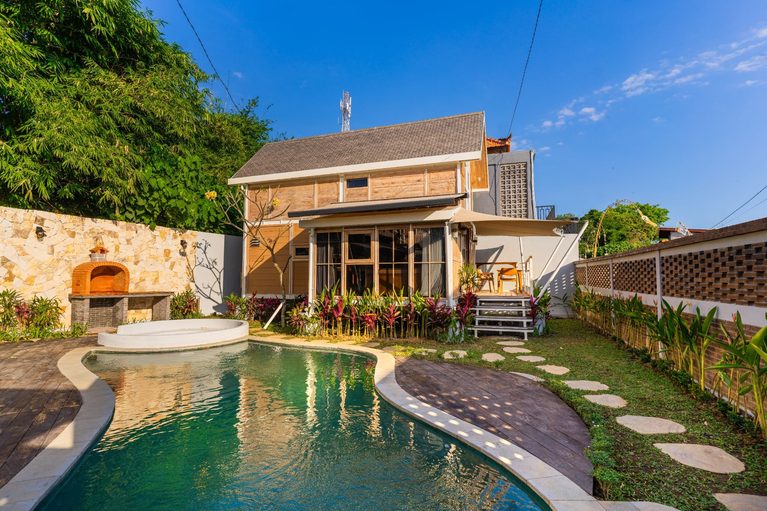
The core advantage of modular construction isn’t just speed, it’s parallelism. While your site is being prepared and foundations poured, the prefab structure itself is already in production at the factory. These two tracks run simultaneously, not one after the other.
By the time site preparation is complete, a prefab structure can already be ready for installation—eliminating weeks or months of sequential waiting time.
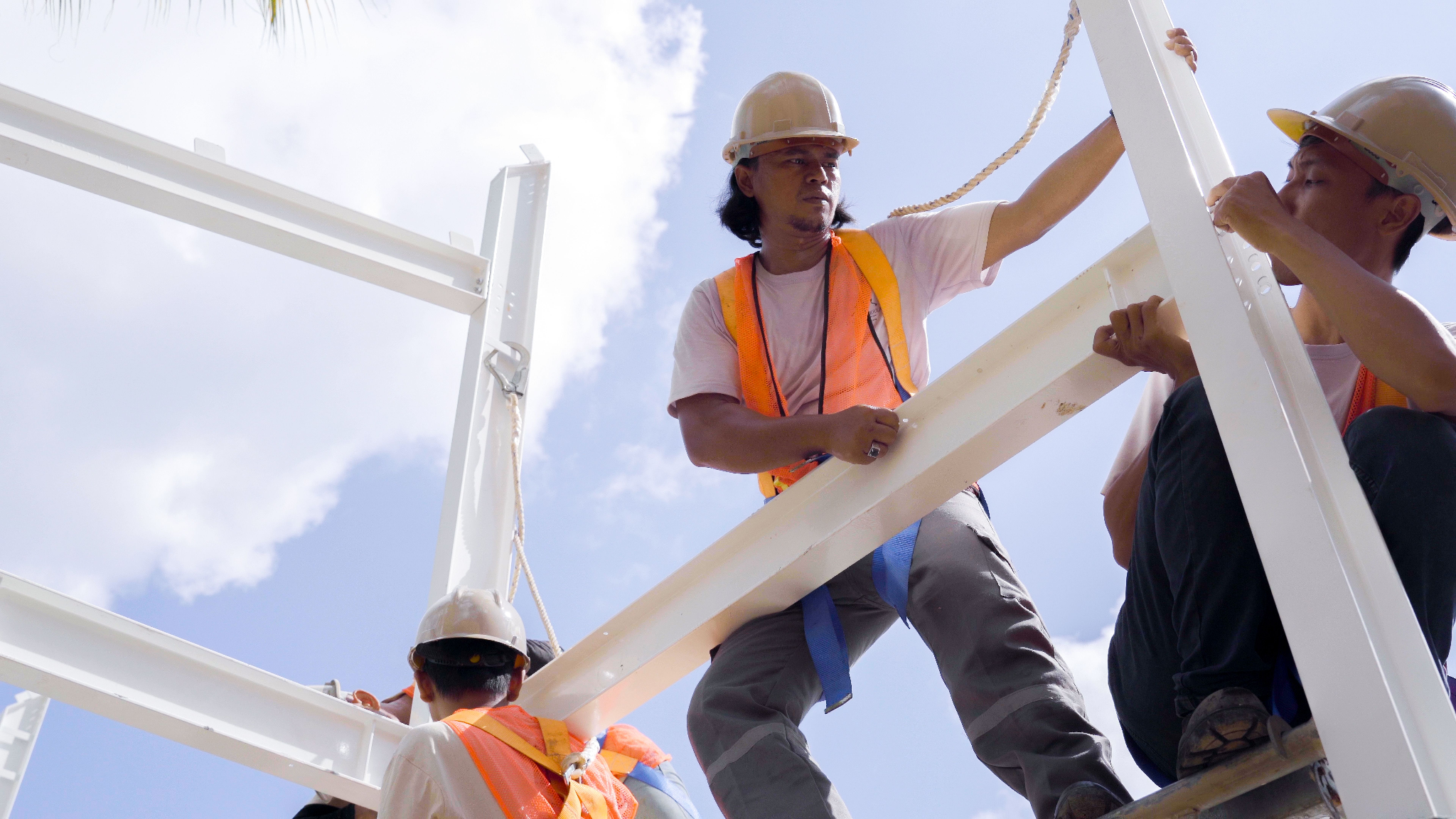
Prefab production runs in parallel with on-site preparation,
compressing the overall project timeline significantly.
This overlap is what makes modular timelines feel fundamentally different: you’re not watching a single queue move forward, but multiple workstreams converging toward a coordinated finish.
Timeline comparison
Every project is different. Land conditions, complexity, and approvals all play a role. But a general comparison illustrates how differently the two approaches move.
Traditional Build
Conventional Construction
Design & approvals
2–4 months
Site preparation & foundations
1–2 months
Structural construction
4–8 months
MEP installation
2–4 months
Finishing & handover
1–2 months
Estimated Total
8–16+ months
Prefab Build
Modular Construction
Design & planning
~1 month
Site prep & concrete point foundations
[parallel]
1–2 months
Factory production
[parallel]
2–3 months
Installation & finishing
~1 month
—
Estimated Total
4–6 months
Predictability matters as much as speed
For hospitality developments, a controlled timeline does more than save time, it creates operational confidence. When milestones are clear and production is factory-controlled, teams can shift focus earlier: refining the guest experience, building brand presence, and preparing for a stronger launch.
Earlier bookings
A firm delivery date allows marketing to launch before construction finishes.
Clearer planning
Factory production gives reliable milestone visibility from day one.
Season readiness
Compress timelines to open before the peak travel window, not after.
What the client prepares, what’s included
For prefab villa projects, the scope is clearly divided. Clients typically handle concrete point foundations, electricity and water connections, and septic systems for the site itself. The prefab package covers the complete structure including all MEP setup within the building, so there are no hidden surprises mid-process.
This clear delineation is one reason modular projects tend to run on schedule: responsibilities are defined before a single panel is produced.
Faster construction is ultimately about becoming operational sooner, having more time to prepare your guest experience, build your brand, and welcome the people who matter most to your project’s success.
In hospitality, timing shapes opportunity, and the building system you choose shapes your timing.
Ready to understand your project timeline?
Every site and scope is different. Discuss your villa or hospitality development with our team to get a clearer picture of what’s possible, and how quickly you could be operational.
Talk to La Casa Modular Living →