

Prefab Doesn’t Mean Prefabricated Personality.
Prefabrication describes how a house is built — not how it's meant to feel. Inside La Casa Modular's approach to luxury prefab homes with real character, shaped around one person, one plot of land, and one particular way of living.
Two clients came to La Casa Modular the same month, wanting the same kind of home.
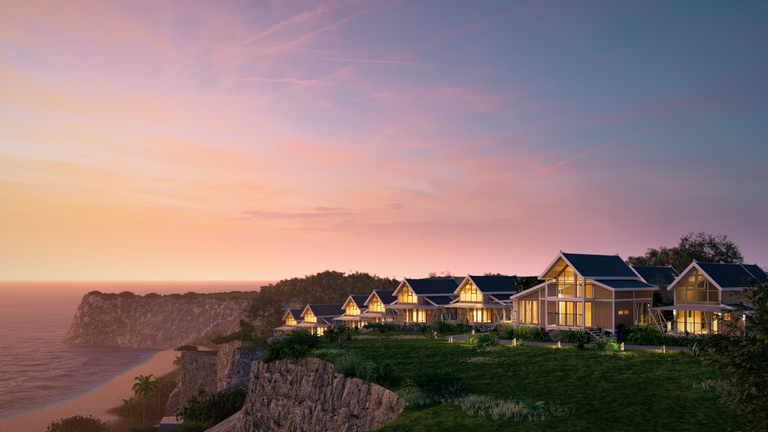
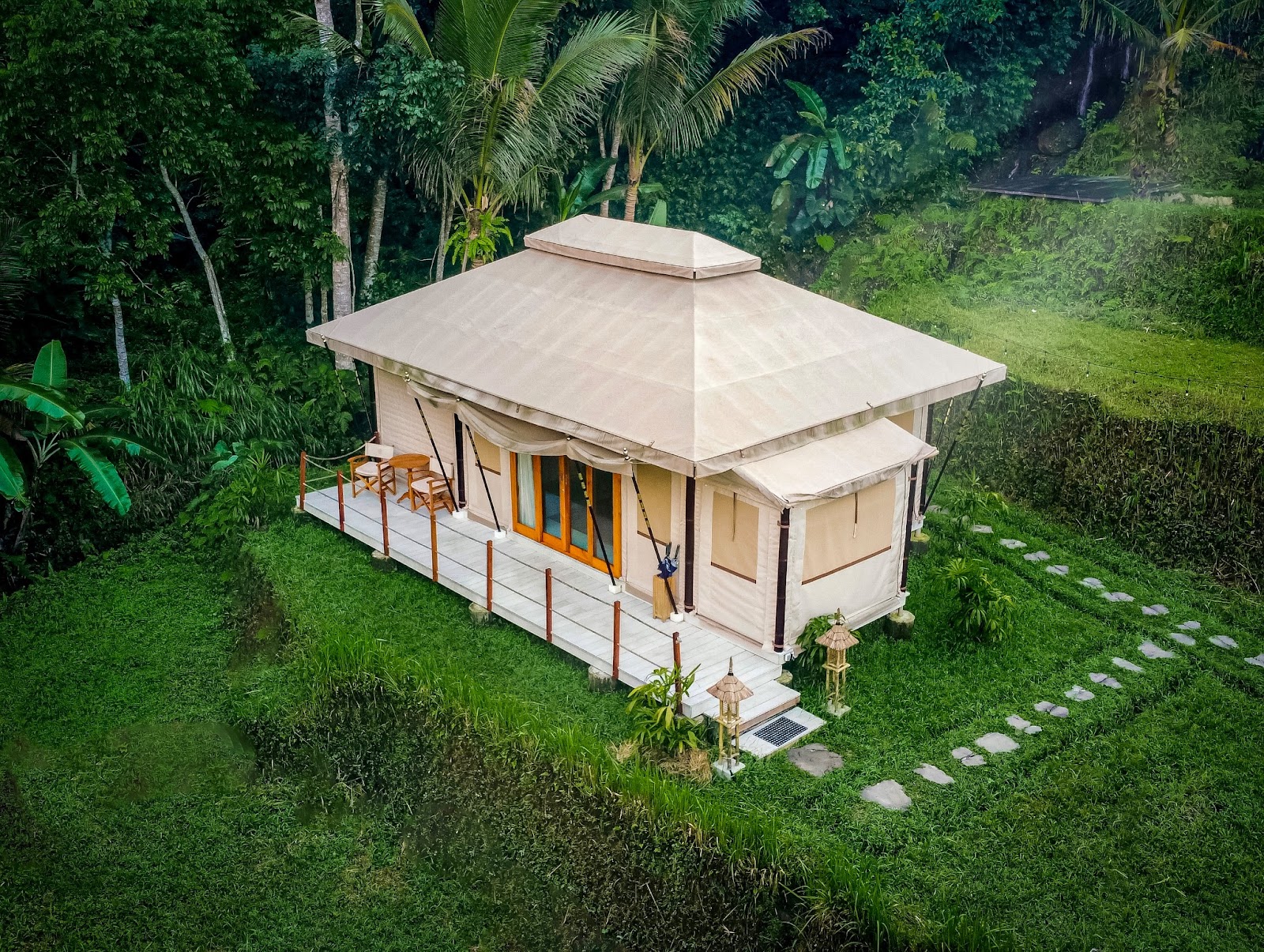
One had a plot overlooking rice fields, the kind of view that changes color three times a day. The other had land tucked among tropical trees, with a sliver of ocean visible from just the right spot on the terrace. Both wanted a luxury modular home. Both assumed, at first, that “prefab” meant picking a design from a catalog and dropping it onto their land, unchanged.
Neither ended up with the same house. Neither should have.
That’s the misunderstanding that follows luxury prefab homes everywhere, that building off-site means the result has to look and feel generic. Prefabrication describes how a house is built. It says nothing about how it’s supposed to feel once you’re standing inside it, coffee in hand, watching the light move across the floor.
A House Should Know Where It’s Standing
Would you want the exact same home, facing the exact same direction, on the rice-field plot and the ocean-facing one? Almost certainly not, one wants to catch the sunrise, the other wants the breeze coming off the water in the evening.
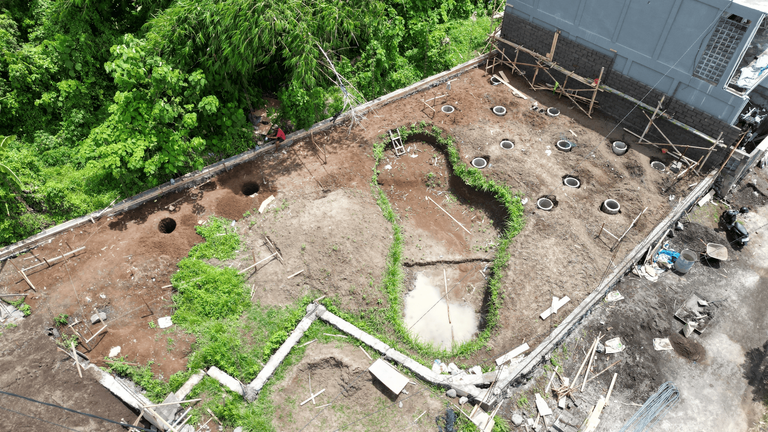
Good modular home design starts by asking what the land is already doing. Where does the sun land first? Which direction does the wind come from? Is there a tree worth building around instead of clearing? These decide whether a terrace becomes the best seat in the house or an unused slab of concrete.
Reading The Site Before Drawing The Plan
A modular system can still be built from standardized parts. But placement and orientation are where a luxury prefab house stops feeling like an object placed on a lot and starts feeling like something that grew out of it.
Every plan begins the same way: mapping sun path, wind direction and the features already worth keeping, before a single wall is drown.
The Real Personalization Happens in How You Live
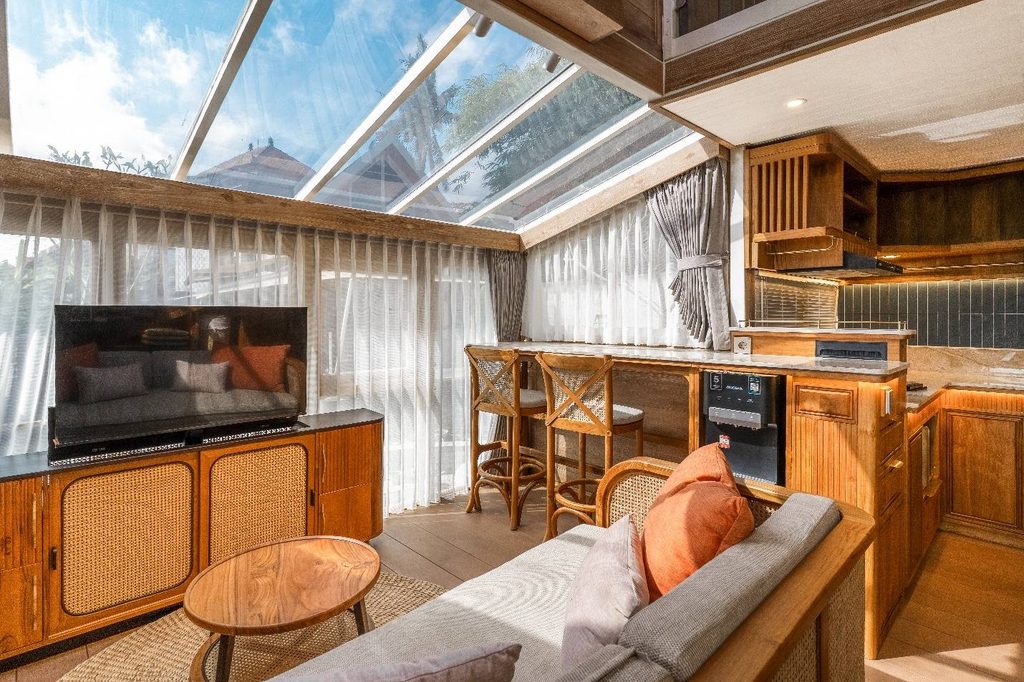
Before anyone talks about finishes or furniture, the better question is simpler: how do mornings actually go in this house?
Maybe coffee always happens outside, so the kitchen needs a clear line to the terrace. Maybe a work-from-home routine needs a quiet corner away from the main living space. Maybe the bedroom should face the garden instead of the driveway, because that’s what gets used every day.
These decisions shape a home more than the structural system underneath it. A modular framework carries the weight — literally and figuratively — while the layout and flow between rooms turn it into somewhere specific, rather than somewhere interchangeable.
A modular framework can carry the weight of a house. It can’t decide where you’ll drink your coffee.
Where Luxury Character Actually Comes From
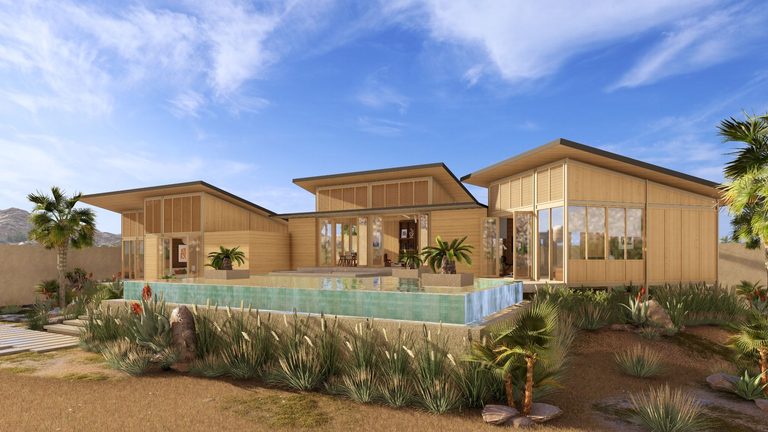
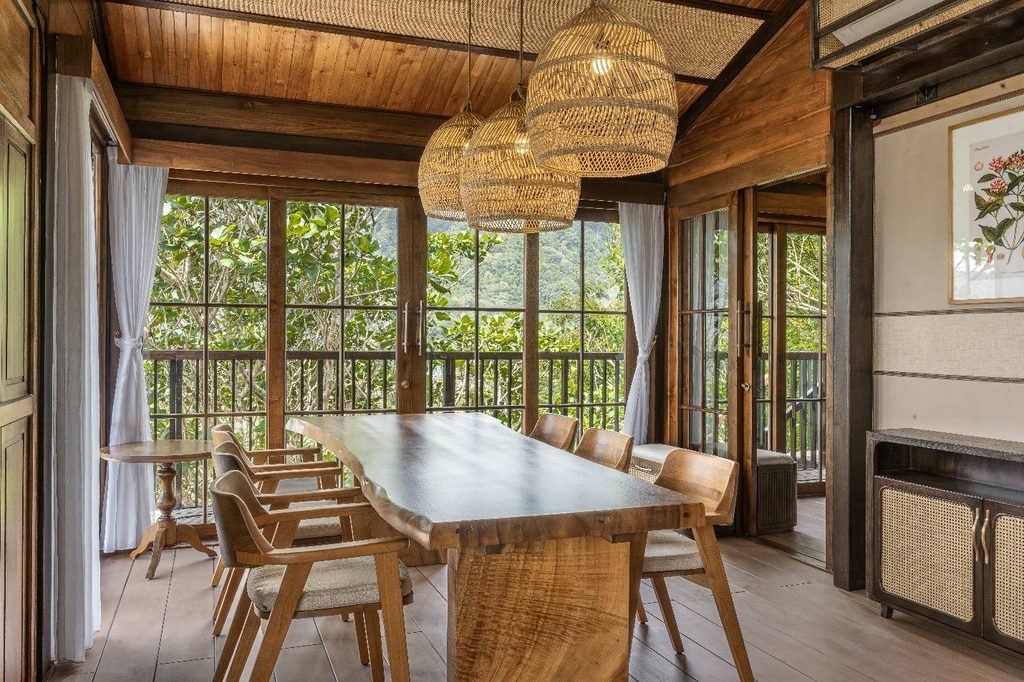
Walk into two houses with nearly identical floor plans and you’ll still feel a difference the moment you cross the threshold. Natural timber and warm tones create one atmosphere. Cleaner lines and darker accents create another. The bones might be similar. The feeling isn’t.
This is where modular home design stops being about repetition. Materials, lighting, and furniture are what give a home its identity, and at La Casa Modular, that’s treated as the actual design work, not an add-on.
Small decisions carry more weight than people expect. Where the dining table faces. Whether the sofa has a clear line to the garden. Whether there’s a genuinely comfortable spot to read in the late afternoon. A well-placed chair in an overlooked corner can quietly become the most-used seat in the whole house.
Bringing The Landscape Inside
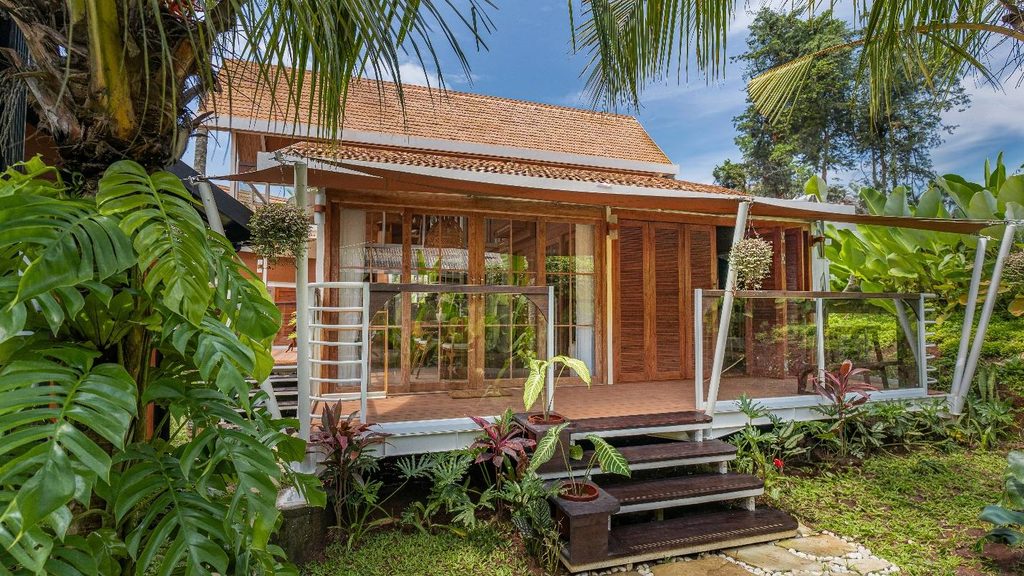
A home doesn’t really end at its exterior wall, especially in a tropical setting where the boundary between indoors and outdoors tends to blur anyway. A terrace can pull the living room outward. Trees can do the work of privacy screens. A pathway can shape the first impression before anyone even reaches the front door.
This is a core part of how La Casa Modular approaches every project: the landscape isn’t scenery viewed from inside a window. It’s part of the house.
Standardized Where It Should Be, Personal Where It Matters
There’s a useful line between standardization and personalization, and it’s worth being precise about it. Standardization belongs in off-site manufacturing, structural engineering, and quality control, the parts where consistency is a genuine advantage.
Personalization belongs everywhere you actually live: how the rooms connect, which materials surround you, where the furniture sits, where you drink your coffee, what you see the moment you wake up.
That’s the real opportunity in modern luxury prefab house design. Instead of rebuilding every component from zero, a modular approach frees up time and attention for the part that actually makes a house feel like home, how it functions day to day, and how well it fits the place it’s standing on.
So, Can A Prefab Home Feel Personal?
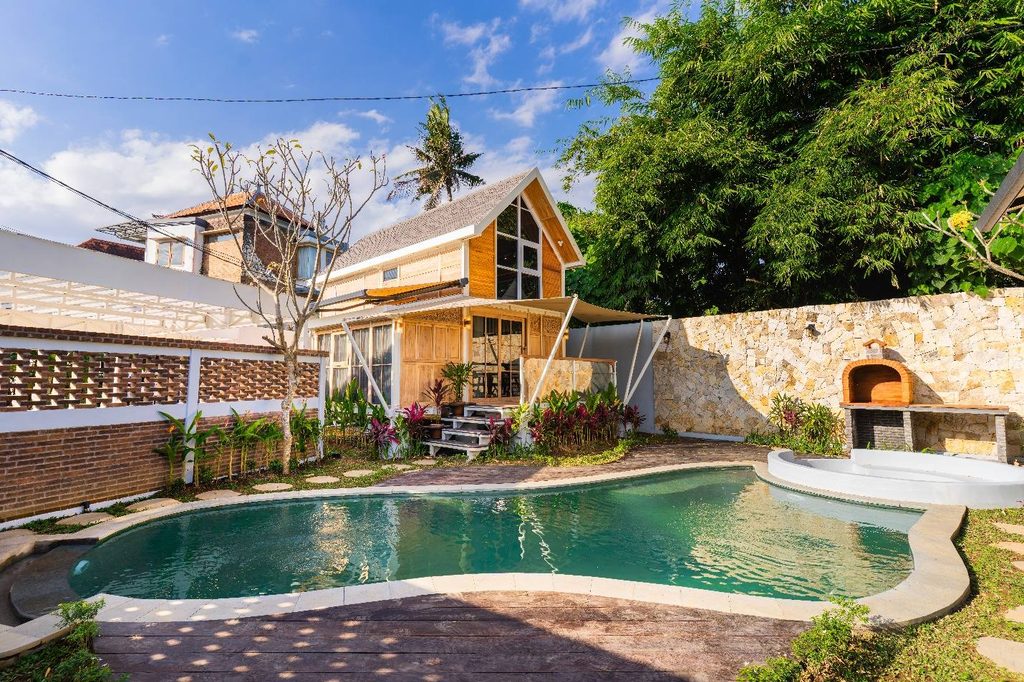
The honest answer is that the question was never really about factories versus construction sites. It’s about whether a home was designed with a specific person, a specific plot of land, and a specific way of living in mind, or whether it was designed to fit anyone, anywhere.
At La Casa Modular, the modular system builds the foundation. The design decisions around it — material, layout, orientation, landscape — build the personality.
The factory can manufacture the components. It can’t decide where you’ll have your coffee in the morning, or how the house feels when you walk in at the end of the day.
That part is still yours to shape.
Related Articles